

Gym Injuries: 7 Common Orthopaedic Problems and How to Prevent Them

Facebook Twitter Youtube Instagram Gym Injuries: 7 Common Orthopaedic Problems and How to Prevent Them Going to the gym is a great way to build strength and stay active, but incorrect technique, sudden increases in workout intensity, or inadequate recovery can sometimes lead to gym injuries. Knowing the common problems and how to prevent them can help you exercise safely. 7 Common Gym Injuries 1. Muscle Strains Lifting weights that are too heavy or using poor technique can overstretch or tear muscles, commonly affecting the back, shoulders and legs. 2. Knee Injuries Squats, lunges and other exercises can put stress on the knee when performed incorrectly. Knee injuries may include ligament or cartilage problems. 3. Shoulder Injuries Overhead presses, bench presses and repetitive movements can contribute to shoulder pain or tendon injuries. 4. Lower Back Pain Poor lifting posture, excessive weights and weak core muscles can place additional stress on the lower back. 5. Tendinitis Repeated movements can irritate a tendon and cause pain, stiffness or tenderness around joints such as the shoulder, elbow or knee. 6. Ankle Sprains Improper landing, sudden changes in direction or losing balance during exercise can cause an ankle sprain. 7. Meniscus Injuries Twisting the knee while lifting or exercising can sometimes injure the meniscus, which helps absorb shock within the knee joint. How Can You Prevent Gym Injuries? A few simple habits can make your workouts safer: Warm up before exercising and cool down afterwards. Start with manageable weights and increase intensity gradually. Focus on proper exercise technique rather than lifting heavier weights. Give your body enough time to recover between demanding workouts, especially when training the same muscle groups. Wear appropriate, comfortable footwear. Stop or modify an exercise if you experience sharp or persistent pain. Include strength, flexibility and movement training as part of your routine. For certain sports-related injuries, structured neuromuscular training can also help improve strength, balance and movement control. When Should You See an Orthopaedic Specialist? Do not ignore pain that is severe, persistent, associated with significant swelling, causes difficulty walking, or keeps getting worse. An orthopaedic specialist can assess the problem and recommend treatment based on the underlying cause. Train Smart, Stay Strong Regular exercise can support your overall health, but proper technique, gradual progression and adequate recovery are important for reducing the risk of gym injuries. Experiencing persistent pain after a workout? Consult the orthopaedic specialists at MJ Naidu Super Speciality Hospital for an appropriate evaluation and treatment plan. Enquire now Table of Contents Gym Injuries: 7 Common Orthopaedic Problems and How to Prevent Them 7 Common Gym Injuries How Can You Prevent Gym Injuries? When Should You See an Orthopaedic Specialist? MJNaidu hospital latest Updates delivered straight to your inbox Follow Us You have been successfully Subscribed! Ops! Something went wrong, please try again.
Knee Pain at Night: Causes, Symptoms & Treatment | MJ Naidu
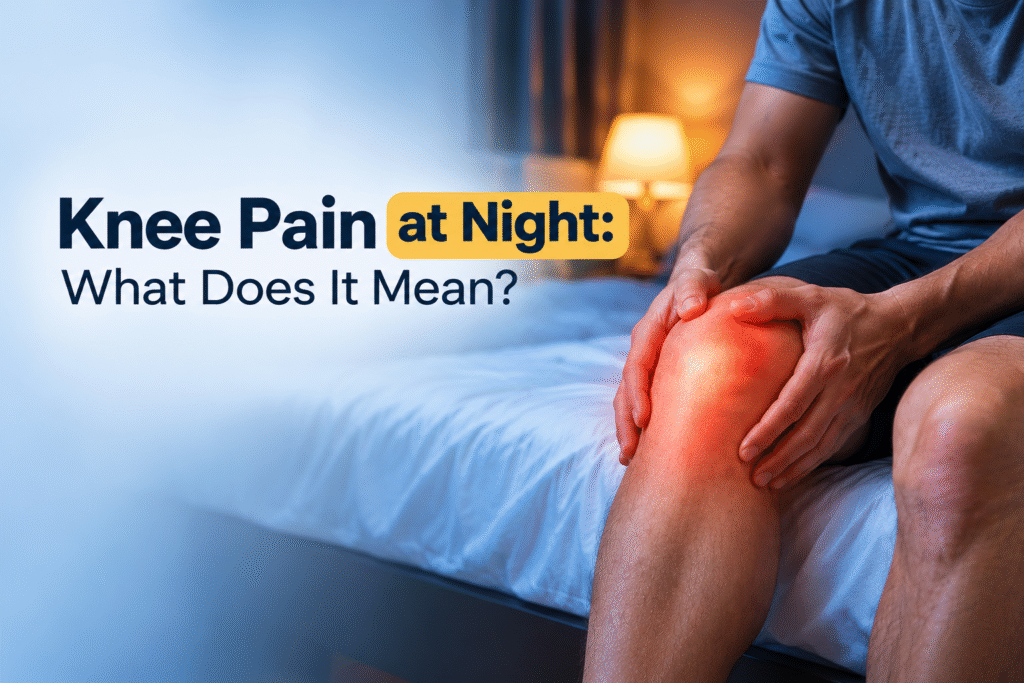
Facebook Twitter Youtube Instagram Knee Pain at Night: What Does It Mean? Waking up at night because of knee pain can be frustrating, especially when it starts affecting your sleep. While occasional knee discomfort may happen after a busy day or physical activity, frequent or persistent knee pain at night may indicate an underlying joint problem. Common Causes of Knee Pain at Night Several conditions can cause knee pain while resting or sleeping, including: Knee osteoarthritis: Wear and changes in the joint can cause pain, stiffness and swelling. In some people, the discomfort can become noticeable at night. Previous knee injuries: Old ligament, cartilage or meniscus injuries may continue to cause discomfort. Inflammation: Conditions affecting the joints can cause pain, swelling and stiffness. Overuse: Increased walking, exercise or physical activity can sometimes aggravate knee pain. Other joint conditions: Gout, bursitis and other inflammatory conditions can also cause knee pain. When Should You See an Orthopaedic Doctor? If your knee pain keeps waking you at night, continues for several weeks, or is accompanied by swelling, stiffness, difficulty walking or reduced knee movement, it is advisable to get it evaluated. Persistent pain that affects sleep or daily activities should not be ignored. An orthopaedic specialist can assess your symptoms and recommend appropriate investigations and treatment based on the underlying cause. How Can Knee Pain Be Managed? Treatment depends on what is causing the pain. Depending on the condition, your doctor may recommend lifestyle changes, physiotherapy, medication, exercises or other treatments. Maintaining a healthy weight and staying physically active with appropriate exercises can also help manage symptoms associated with knee osteoarthritis. Don’t Ignore Persistent Knee Pain Occasional knee discomfort may not always be serious, but persistent knee pain at night deserves attention. Identifying the cause early can help you receive appropriate treatment and protect your joint health. Experiencing persistent knee pain? Consult an orthopaedic specialist at MJ Naidu Super Speciality Hospital for an evaluation and personalised treatment plan. Enquire now Table of Contents Knee Pain at Night: What Does It Mean? Common Causes of Knee Pain at Night When Should You See an Orthopaedic Doctor? How Can Knee Pain Be Managed? Don’t Ignore Persistent Knee Pain MJNaidu hospital latest Updates delivered straight to your inbox Follow Us You have been successfully Subscribed! Ops! Something went wrong, please try again.
Ligament Injuries: Causes, Symptoms, Treatment & the Role of Physiotherapy
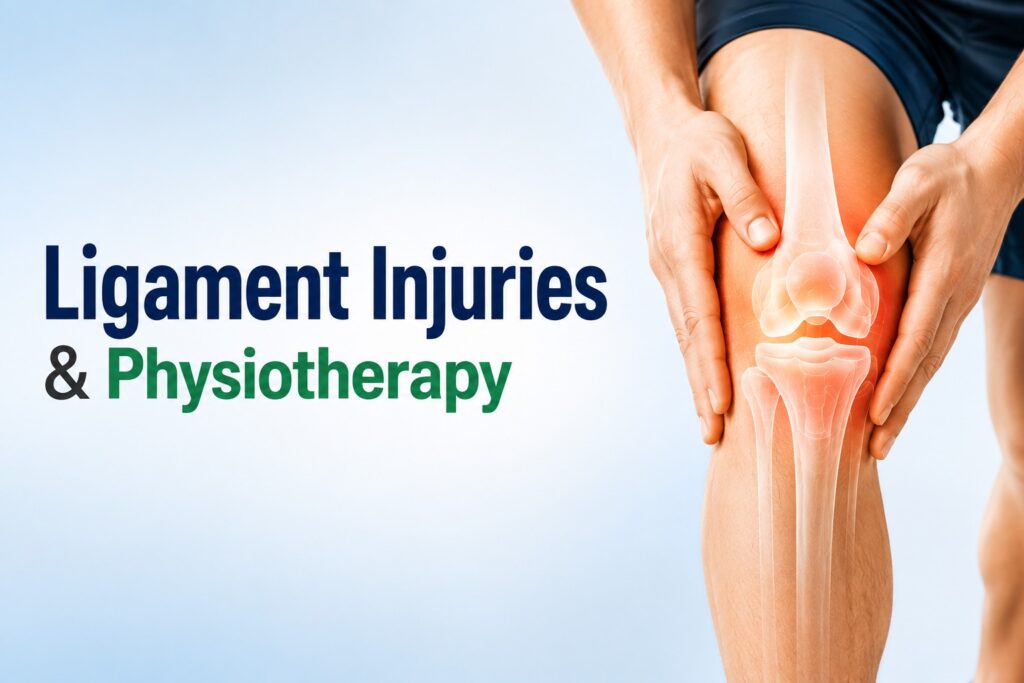
Facebook Twitter Youtube Instagram Ligament Injuries: Causes, Symptoms, Treatment & the Role of Physiotherapy Ligament injuries can happen during sports, workouts, sudden falls, or even an unexpected twist while walking. A damaged ligament may cause pain, swelling, stiffness, or a feeling that the joint is unstable. The good news is that physiotherapy plays an important role in ligament injury recovery. With the right treatment plan and gradual rehabilitation, many people can improve joint movement, strength, stability, and confidence. How the Monsoon Season Affects Your Skin The rainy season increases moisture in the air, causing your skin to produce more oil and sweat. This can clog pores, leading to acne and bacterial growth. Wet clothing and damp footwear also increase the risk of fungal infections. Without proper care, these conditions can affect your skin’s health and comfort. Key Takeaways Ligament injuries commonly occur due to sudden twisting, falls, or sports-related movements. Pain, swelling, restricted movement, and joint instability are common symptoms. Physiotherapy can help restore strength, flexibility, balance, and joint stability. Recovery depends on the ligament involved and the severity of the injury. Severe injuries may require further evaluation and, in some cases, surgery, rainy season increases moisture in the air, causing your skin to produce more oil and sweat. This can clog pores, leading to acne and bacterial growth. Wet clothing and damp footwear also increase the risk of fungal infections. What Is a Ligament Injury? Ligaments help hold bones together and keep joints stable during movement. When a ligament is stretched beyond its normal range or torn, it can result in an injury. Grade 1 – Mild Injury The ligament is overstretched but remains largely intact. Pain and swelling are usually mild. Grade 2 – Partial Tear Part of the ligament is torn, which can cause more noticeable pain, swelling, and joint instability. Grade 3 – Complete Tear The ligament is completely torn and may cause significant instability. Some Grade 3 injuries may require surgical treatment depending on the ligament and the individual’s condition. Common Causes of Ligament Injuries Ligament injuries can occur during everyday activities as well as high-impact sports. Common causes include: Sudden twisting of a joint Falls or awkward landings Sports such as football, basketball, cricket, or badminton Direct impact to a joint Sudden changes in direction Overstretching during exercise The knee and ankle are particularly vulnerable because they are frequently exposed to twisting and impact. Symptoms You Should Not Ignore A ligament injury may cause: Pain around the affected joint Swelling Bruising Stiffness Difficulty putting weight on the joint Reduced range of movement A popping sensation at the time of injury Feeling that the joint may give way If you experience significant pain or cannot use the affected joint normally after an injury, an orthopaedic evaluation is recommended. Protein supports muscle strength, which helps protect your joints. Choose: Eggs Fish Lean chicken Paneer Lentils Pulses How Does Physiotherapy Help Ligament Injury Recovery? Physiotherapy is an important part of rehabilitation for many ligament injuries. The treatment plan is adjusted according to the type and severity of the injury. 1. Reducing Pain and Swelling In the early stage, physiotherapy may focus on managing pain and swelling while protecting the injured ligament. 2. Restoring Joint Movement Gentle, guided exercises can help prevent excessive stiffness and gradually restore the joint’s range of motion. 3. Building Muscle Strength An injured joint may become weak because of reduced activity. Strengthening exercises help rebuild the muscles supporting the joint. 4. Improving Balance and Stability Balance and coordination exercises can help improve joint control and reduce the risk of future injuries. 5. Gradual Return to Activity Physiotherapy can help patients progress from basic movements to functional activities and, when appropriate, sports-specific exercises. Can Physiotherapy Prevent Another Ligament Injury? A structured rehabilitation program can help improve muscle strength, flexibility, balance, and movement patterns, which may reduce the risk of some future injuries. However, there is no guarantee that an injury will not happen again. Returning to sports or demanding physical activities should be based on recovery, functional assessment, and professional guidance rather than pain alone. When Is Surgery Considered? Not every ligament injury requires surgery. Treatment depends on factors such as: Which ligament is injured Whether the ligament is partially or completely torn Joint stability The person’s activity level Associated injuries Response to non-surgical treatment Some complete tears, particularly those associated with significant instability or other joint damage, may require surgical reconstruction. Physiotherapy is also important after surgery to support recovery and help restore strength and movement. How Long Does Ligament Injury Recovery Take? Recovery time varies considerably. A mild sprain may improve within a few weeks, while a significant tear or surgically treated injury can require several months of rehabilitation. Your recovery timeline depends on the severity of the injury, ligament involved, treatment approach, overall health, and rehabilitation progress. Tips for a Safer Recovery Follow your physiotherapist’s exercise plan. Avoid returning to sports too quickly. Increase activity gradually. Wear recommended support or braces when advised. Work on strength and balance as part of rehabilitation. Do not ignore persistent pain or instability. When Should You See an Orthopaedic Specialist? Seek medical evaluation if you have: Severe pain or swelling after an injury Difficulty walking or putting weight on the joint Significant joint instability Repeated episodes of the joint giving way Persistent pain despite rest and basic care A suspected ligament tear Symptoms that are not improving with rehabilitation Early assessment can help identify the injury and guide the right treatment and rehabilitation plan. Get Back to Movement with the Right Rehabilitation A ligament injury does not have to mean giving up your normal activities. With an accurate diagnosis, appropriate treatment, and a structured physiotherapy program, patients can work toward better strength, mobility, and joint stability. If you have a ligament injury or ongoing joint instability, consult an orthopaedic and physiotherapy team for an individualized recovery plan. Enquire now Table of Contents Ligament Injuries: Causes, Symptoms, Treatment & the
Knee Replacement and Joint Preservation: What You Need to Know
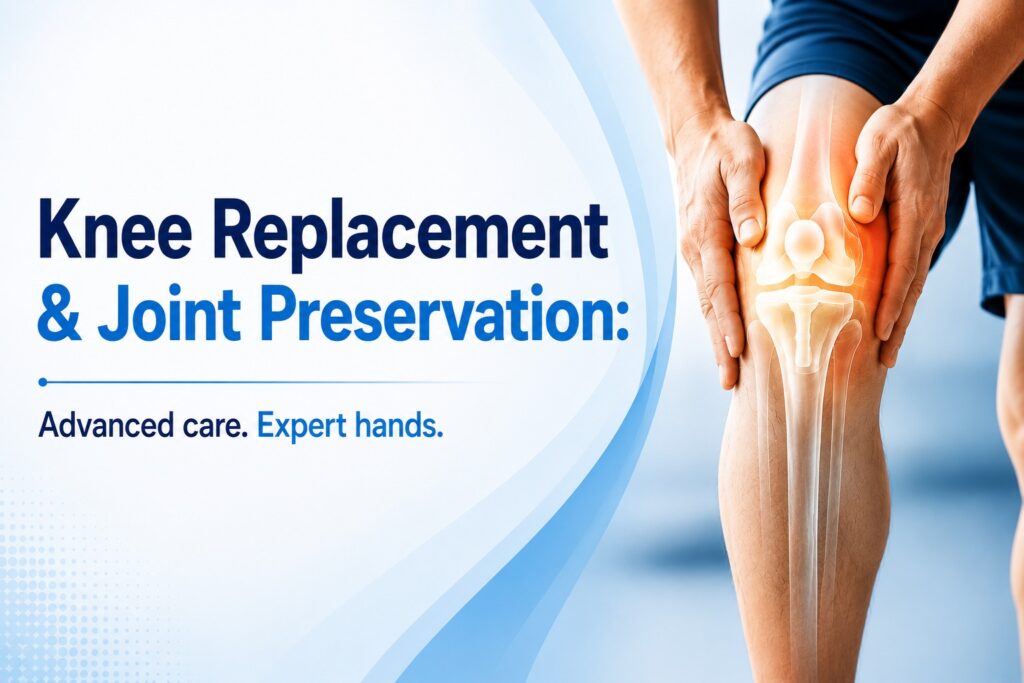
Facebook Twitter Youtube Instagram Knee Replacement and Joint Preservation: What You Need to Know Joint pain has a quiet way of shrinking your world. Activities that once felt effortless—climbing a flight of stairs, taking a morning walk, or simply carrying your daily groceries—can gradually become daunting challenges. For many living with chronic knee osteoarthritis or severe joint wear, the thought of surgery feels intimidating. However, orthopedic care has evolved dramatically. Today, the focus goes beyond joint replacement, with treatment aimed at reducing pain, improving mobility, and helping patients return to their everyday activities safely. At M.J. Naidu Super Speciality Hospital in Vijayawada, bringing advanced orthopedic solutions closer to home has been a commitment for nearly four decades. Founded by Dr. M.J. Naidu (M.S. Ortho, AIIMS – New Delhi), the hospital combines decades of surgical expertise with cutting-edge medical advancements to redefine patient recovery. Understanding Your Options: When is it Time for Knee Replacement? Not every knee issue requires major surgery. In the early and moderate stages of arthritis, orthopedic specialists often explore non-surgical routes, including: Targeted Physiotherapy & Robotic Rehabilitation: Personalized exercises can help improve knee strength, flexibility, stability, and everyday movement. Regenerative Options: Advanced treatments like PRP (Platelet-Rich Plasma) Therapy and SVF Therapy to help manage pain and support tissue health. Pain Management Protocols: Customized care plans designed to keep you active without immediate surgical intervention. However, when cartilage damage becomes severe and conservative treatments no longer provide relief, Total or Partial Knee Replacement may be considered to reduce pain and improve mobility when severe joint damage limits everyday activities. Modern surgical techniques, appropriate surgical planning, and dedicated rehabilitation can support precise treatment and a structured recovery process. What Makes Modern Recovery Different? One of the biggest concerns patients have is the recovery period. Today’s rapid-recovery protocols focus on getting you back on your feet quickly and safely: Precision Planning: Clinical evaluation and appropriate imaging help the surgical team assess the condition of the knee and plan the procedure according to each patient’s needs. Early Mobility: With appropriate pain management and supervised physiotherapy, patients can gradually begin walking and work toward greater independence as their recovery progresses. Holistic Support: True recovery extends beyond the operating room. A dedicated team of specialized surgeons, ICU care units, and round-the-clock support ensure every step of your healing journey is closely monitored. Take the First Step Toward Pain-Free Living Living with persistent joint discomfort shouldn’t be normal. Whether you are exploring options for chronic arthritis or seeking expert advice on a sports injury, getting an accurate diagnosis is the most impactful step you can take. Looking for guidance? Visit us at M.J. Naidu Super Speciality Hospital in Suryarao Peta, Vijayawada, or reach out to our team at (+91) 96401 33302 to schedule a consultation with our experienced orthopedic specialists. Enquire now Table of Contents Knee Replacement and Joint Preservation: What You Need to Know Understanding Your Options: When is it Time for Knee Replacement? What Makes Modern Recovery Different? Take the First Step Toward Pain-Free Living MJNaidu hospital latest Updates delivered straight to your inbox Follow Us You have been successfully Subscribed! Ops! Something went wrong, please try again.
Monsoon Skin Care Tips: How to Keep Your Skin Healthy During the Rainy Season

Facebook Twitter Youtube Instagram Monsoon Skin Care Tips: How to Keep Your Skin Healthy During the Rainy Season The rainy season brings cooler weather, but it also increases the risk of several skin problems. During the monsoon, increased humidity and damp conditions can contribute to acne, fungal infections, itching, and other skin concerns. Following the right skincare routine can help keep your skin healthy and protected throughout the monsoon. With a few simple skincare habits and expert guidance, you can prevent common monsoon skin problems and keep your skin healthy throughout the season. Before we explore the skincare routine, here are the most important tips to remember during the monsoon season. Key Takeaways Increased humidity can make your skin oily and more prone to infections. Clean and dry skin helps reduce the risk of fungal infections. Use lightweight skincare products suitable for the rainy season. Stay hydrated and eat a balanced diet to support healthy skin. Consult a dermatologist if skin problems persist or worsen. How the Monsoon Season Affects Your Skin The rainy season increases moisture in the air, causing your skin to produce more oil and sweat. This can clog pores, leading to acne and bacterial growth. Wet clothing and damp footwear also increase the risk of fungal infections. Without proper care, these conditions can affect your skin’s health and comfort. Common Skin Problems During the Rainy Season 1. Acne Breakouts Excess oil, sweat, and dirt can block pores, causing pimples and inflammation. 2. Fungal Infections Warm, moist areas such as the feet, underarms, and groin are more likely to develop fungal infections. 3. Skin Allergies Exposure to allergens and moisture may cause redness, itching, or rashes. 4. Itchy Skin Humidity and frequent sweating can make the skin irritated and itchy. 5. Dull Skin Excess oil and pollution can make your skin appear tired and less radiant. Dermatologist-Recommended Monsoon Skin Care Routine Morning Routine Wash your face with a gentle cleanser. Apply a lightweight, non-greasy moisturizer. Cloudy weather doesn’t block harmful UV rays. Protect your skin by applying a broad-spectrum sunscreen (SPF 30+) before going outdoors. Wear clean and dry clothing. Night Routine Clean your face to remove dirt, oil, and pollution. Apply dermatologist-prescribed treatments if needed. Moisturize your skin before bedtime. Essential Monsoon Skin Care Tips Keep Your Skin Clean Cleanse your face every morning and evening to remove sweat, oil, and impurities. Keep Your Skin Dry Dry your skin thoroughly after getting wet, especially between the toes and in skin folds. Choose Lightweight Skincare Products Avoid heavy creams that can clog pores. Opt for water-based or gel-based moisturizers. Don’t Skip Sunscreen UV rays can still damage your skin during cloudy weather. Apply sunscreen before stepping outdoors. Wear Breathable Clothing Choose cotton fabrics that allow your skin to breathe and reduce sweating. Protein supports muscle strength, which helps protect your joints. Choose: Eggs Fish Lean chicken Paneer Lentils Pulses Foods That Help Keep Your Skin Healthy Healthy skin begins from within. Eating a balanced diet rich in vitamins, antioxidants, and water helps keep your skin nourished and supports its natural protective barrier. Include: Fresh fruits Leafy green vegetables Nuts and seeds Yogurt Plenty of water Avoid excessive oily and sugary foods, which may contribute to acne breakouts. Monsoon Skin Care: Do’s and Don’ts Do’s Don’ts Wash your face twice daily Sleep with makeup on Keep your skin dry Wear damp clothes for long periods Drink plenty of water Scratch itchy skin Apply sunscreen daily Share towels or personal items Use clean towels Ignore persistent skin infections When Should You Visit a Dermatologist? Consult a dermatologist if you notice: Persistent acne Severe itching Fungal infections that do not improve Skin allergies or rashes Painful or swollen skin lesions Getting timely medical care can help control skin conditions early and reduce the risk of further complications. Simple Lifestyle Tips for Healthy Skin During the Monsoon Bathe after getting drenched in the rain. Change wet clothes immediately. Wear clean socks and allow shoes to dry completely. Avoid sharing towels and personal hygiene items. Maintain good personal hygiene every day. These simple daily habits can help reduce the risk of infections and keep your skin fresh, clean, and healthy throughout the monsoon. Keep Your Skin Healthy This Monsoon Healthy skin during the monsoon begins with simple daily care. A consistent skincare routine and good personal hygiene can help reduce the risk of acne, fungal infections, and other seasonal skin concerns. Keeping your skin clean, dry, and well hydrated plays an important role in maintaining healthy skin. Following these monsoon skin care tips can help you enjoy the season without compromising your skin health. If you notice persistent itching, rashes, acne, or fungal infections, consult a qualified dermatologist for timely diagnosis and personalized treatment. Frequently Asked Questions (FAQs) 1. Should I use sunscreen during the monsoon? Yes. UV rays can penetrate clouds, so applying sunscreen every day is important. 2. Why do fungal infections increase during the rainy season? Humidity, sweating, and damp clothing create a suitable environment for fungal growth. 3. Can humidity cause acne? Yes. Increased humidity can make your skin oily, clog pores, and lead to acne breakouts. 4. How often should I wash my face during the monsoon? Wash your face twice a day using a gentle cleanser. Avoid excessive washing, as it can strip away your skin’s natural oils. 5. When should I consult a dermatologist? If your skin problem lasts for several days, worsens, or causes significant discomfort, seek medical advice from a dermatologist. Enquire now Table of Contents ACL Injury: Symptoms, Causes, Treatment & Recovery Guide What Is an ACL Injury? What Causes an ACL Injury? Common Symptoms of an ACL Injury Who Is at Higher Risk? How Is an ACL Injury Diagnosed? Treatment Options for ACL Injuries ACL Injury Recovery Timeline Can ACL Injuries Be Prevented? When Should You See an Orthopedic Specialist? Expert ACL Injury Care at MJ Naidu Hospital Final Thoughts MJNaidu hospital latest Updates delivered straight to your
ACL Injury: Symptoms, Causes, Treatment & Recovery Guide
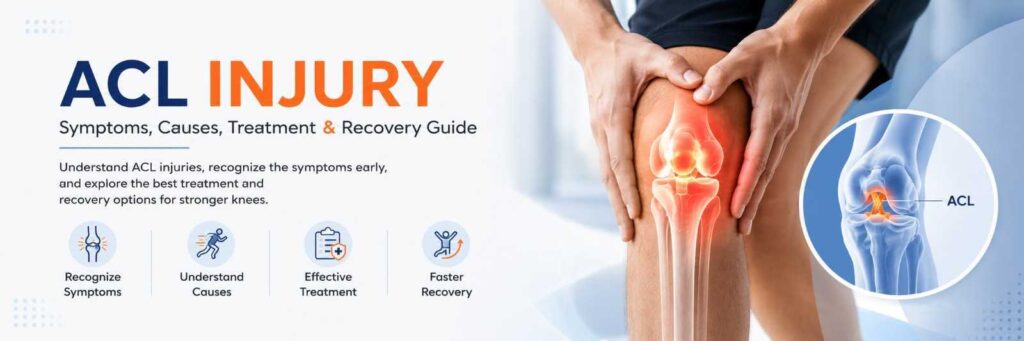
Facebook Twitter Youtube Instagram ACL Injury: Symptoms, Causes, Treatment & Recovery Guide Obesity is often associated with conditions such as diabetes, high blood pressure, and heart diseas ACL (Anterior Cruciate Ligament) injuries are among the most common knee injuries, especially in athletes and physically active individuals. Whether you enjoy football, cricket, badminton, basketball, or recreational fitness activities, an ACL injury can significantly affect your mobility and daily life. An ACL tear can happen suddenly during sports or routine activities involving twisting, jumping, or sudden changes in direction. Early diagnosis and appropriate treatment are essential for restoring knee stability and preventing long-term complications. This guide explains the symptoms, causes, treatment options, and recovery process for ACL injuries. What Is an ACL Injury? The Anterior Cruciate Ligament (ACL) is one of the key ligaments that supports and stabilizes the knee joint. It connects the thigh bone to the shin bone and helps the knee move safely during activities like walking, running, jumping, and turning. When the ACL is stretched or torn, the knee can become unstable, making everyday movements and sports activities difficult. An ACL injury occurs when this ligament is stretched or torn due to excessive force or sudden movement. ACL injuries are classified into three grades: Grade 1 The ligament is slightly stretched but remains intact. Knee stability is generally maintained. Grade 2 The ligament is partially torn, resulting in pain and mild instability. Grade 3 The ligament is completely torn, causing significant knee instability and difficulty performing daily or sports activities. What Causes an ACL Injury? ACL injuries usually occur without direct contact. The most common causes include: Sudden twisting or pivoting movements Landing awkwardly after a jump Sudden stops while running Changing direction quickly Direct impact to the knee during sports Weak muscles around the knee Poor landing technique Sports commonly associated with ACL injuries include football, basketball, volleyball, badminton, kabaddi, and skiing. Common Symptoms of an ACL Injury Symptoms usually appear immediately after the injury. Common warning signs include: A loud “pop” sound at the time of injury Sudden and severe knee pain Rapid swelling within a few hours Difficulty bearing weight Knee instability or “giving way” Limited range of motion Difficulty walking If these symptoms occur, consult an orthopedic specialist as soon as possible. Who Is at Higher Risk? Although anyone can experience an ACL injury, the risk is higher among: Athletes involved in jumping or pivoting sports Individuals with previous knee injuries People returning to sports after a long break Those with poor muscle strength or balance Women athletes, due to anatomical and hormonal differences How Is an ACL Injury Diagnosed? Early diagnosis of an ACL injury allows orthopedic specialists to assess the severity of the damage and recommend the most suitable treatment for recovery. An orthopedic specialist may recommend: Physical Examination The doctor checks knee stability, swelling, and range of motion. MRI Scan MRI provides detailed images of the ACL and other soft tissues, helping confirm partial or complete tears. X-rays Although X-rays do not show ligaments, they help rule out fractures or associated bone injuries. Treatment Options for ACL Injuries Treatment depends on the severity of the injury, activity level, and individual goals. Non-Surgical Treatment Non-surgical management may be suitable for patients with minor or partial ACL injuries. It may include: Rest and activity modification Ice therapy Compression and elevation Knee braces Physiotherapy Strengthening exercises Rehabilitation focuses on restoring knee strength, stability, and function. Treatment Options for ACL Injuries Treatment depends on the severity of the injury, activity level, and individual goals. Non-Surgical Treatment Non-surgical management may be suitable for patients with minor or partial ACL injuries. It may include: Rest and activity modification Ice therapy Compression and elevation Knee braces Physiotherapy Strengthening exercises Rehabilitation focuses on restoring knee strength, stability, and function. ACL Reconstruction Surgery Surgery is generally recommended for: Complete ACL tears Active individuals wishing to return to sports Persistent knee instability Combined ligament or meniscus injuries During ACL reconstruction, the torn ligament is replaced with a tendon graft to restore knee stability. ACL Injury Recovery Timeline Recovery varies depending on the treatment approach and individual healing. First Few Weeks Reduce pain and swelling Restore knee movement Begin supervised physiotherapy 1–3 Months Improve muscle strength Increase balance and flexibility Resume light daily activities 4–6 Months Continue advanced rehabilitation Improve agility and coordination 6–12 Months Return to sports after medical clearance Continue strength and conditioning exercises Following the rehabilitation plan is essential for a successful recovery. ACL Injury Recovery Timeline Recovery varies depending on the treatment approach and individual healing. First Few Weeks Reduce pain and swelling Restore knee movement Begin supervised physiotherapy 1–3 Months Improve muscle strength Increase balance and flexibility Resume light daily activities 4–6 Months Continue advanced rehabilitation Improve agility and coordination 6–12 Months Return to sports after medical clearance Continue strength and conditioning exercises Following the rehabilitation plan is essential for a successful recovery. ACL Injury Recovery Timeline Recovery varies depending on the treatment approach and individual healing. First Few Weeks Reduce pain and swelling Restore knee movement Begin supervised physiotherapy 1–3 Months Improve muscle strength Increase balance and flexibility Resume light daily activities 4–6 Months Continue advanced rehabilitation Improve agility and coordination 6–12 Months Return to sports after medical clearance Continue strength and conditioning exercises Following the rehabilitation plan is essential for a successful recovery. Protein supports muscle strength, which helps protect your joints. Choose: Eggs Fish Lean chicken Paneer Lentils Pulses When Should You See an Orthopedic Specialist? Seek medical attention immediately if you experience: Sudden knee pain after twisting or landing A popping sensation during injury Rapid swelling Knee instability Difficulty walking Persistent pain that does not improve Early diagnosis can prevent further damage to the knee and improve treatment outcomes. Expert ACL Injury Care at MJ Naidu Hospital At MJ Naidu Hospital, our orthopedic specialists provide comprehensive evaluation and personalized treatment for ACL injuries. From advanced diagnostic imaging to physiotherapy and surgical management, our team focuses on helping patients recover safely
How Does Excess Weight Affect Your Bones and Joints?
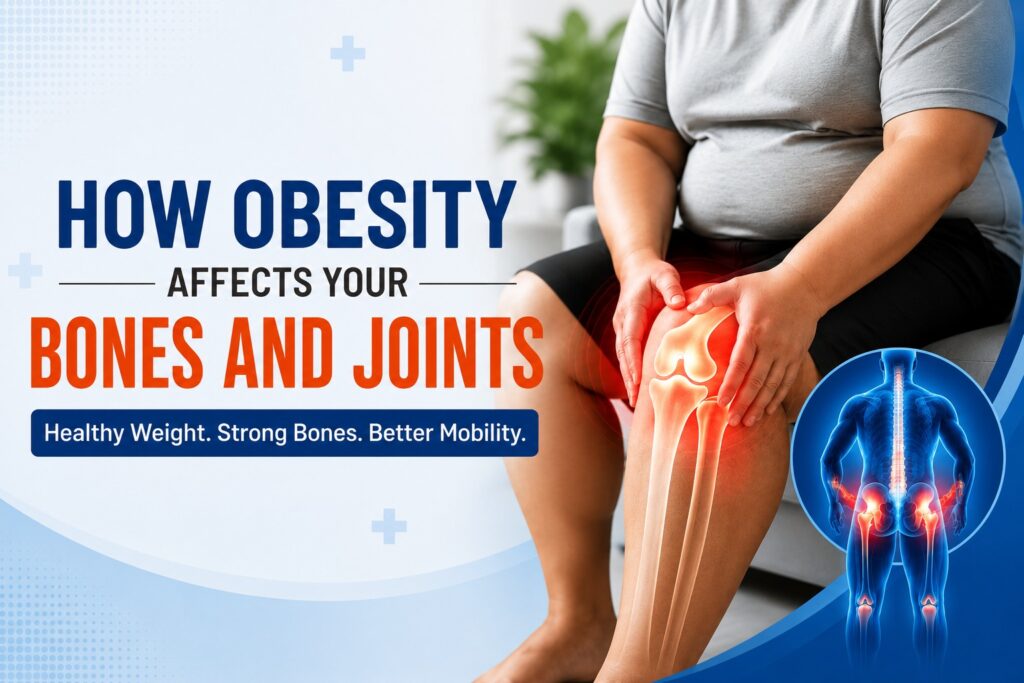
Facebook Twitter Youtube Instagram How Does Excess Weight Affect Your Bones and Joints? Obesity is often associated with conditions such as diabetes, high blood pressure, and heart disease. However, many people are unaware that excess body weight can also have a significant impact on the health of their bones and joints. The connection between obesity and bone health is important because carrying extra weight places continuous stress on the body’s weight-bearing joints. Over time, this added pressure can lead to pain, stiffness, reduced mobility, and long-term orthopedic conditions such as osteoarthritis. Understanding how obesity affects your bones and joints can help you take preventive steps to maintain mobility and improve your overall quality of life. How Does Obesity Affect Bone and Joint Health? The relationship between obesity and bone health goes beyond carrying extra weight. Excess body fat increases the mechanical load on joints while also contributing to chronic inflammation in the body. Together, these factors can gradually damage cartilage, reduce joint flexibility, and increase the risk of bone and joint disorders. Orthopedic Fact Every extra pound of body weight increases the pressure on your knees, especially while walking, climbing stairs, or running.Maintaining a healthy weight can reduce stress on your joints, improve mobility, and lower the risk of long-term joint damage. Which Bones and Joints Are Most Affected? 1. Knees The knees support most of your body weight during everyday activities. Excess weight places additional pressure on the knee joints, causing cartilage to wear down more quickly. Common problems include: Persistent knee pain Swelling around the joint Morning stiffness Difficulty climbing stairs Reduced mobility 2. Hips The hip joints are responsible for balance and movement. Increased body weight places extra stress on these joints, leading to pain, stiffness, and reduced flexibility over time. 3. Lower Back Excess weight, especially around the abdomen, changes the body’s center of gravity. This increases strain on the muscles and joints of the lower back, often resulting in chronic back pain. 4. Feet and Ankles Your feet and ankles absorb your body weight with every step. Excess body weight increases pressure on these joints, making walking and standing more difficult while increasing the risk of heel pain and ankle discomfort. Can Obesity Increase the Risk of Osteoarthritis? Yes. One of the strongest links between obesity and bone health is the increased risk of osteoarthritis. Osteoarthritis develops when the protective cartilage inside the joints gradually wears away. As the cartilage becomes thinner, friction within the joint increases, leading to pain, stiffness, swelling, and reduced movement. Common Symptoms Persistent joint pain Swelling around the joints Morning stiffness Grinding or cracking sensation during movement Difficulty walking Reduced flexibility Warning Signs You Should Not Ignore Consult an orthopedic specialist if you experience: Persistent knee, hip, or back pain Pain while climbing stairs Frequent joint swelling Morning stiffness lasting more than 30 minutes Difficulty walking Lower back pain Reduced joint movement Pain affecting daily activities Early diagnosis can help prevent further joint damage. Benefits of Weight Loss for Bone and Joint Health Even a small reduction in body weight can make a noticeable difference to your joints. Nutrition for Strong Bones and Healthy Joints A balanced diet plays an important role in improving obesity and bone health. Include foods such as: Milk Curd (Yogurt) Ragi (Finger Millet) Sesame Seeds Drumstick Leaves These foods help maintain strong bones. Include High-Quality Protein Protein supports muscle strength, which helps protect your joints. Choose: Eggs Fish Lean chicken Paneer Lentils Pulses Add Anti-Inflammatory Foods Certain foods may help reduce inflammation and support joint health. Include: Turmeric Ginger Garlic Cinnamon Fresh fruits Green leafy vegetables Hydration Tip Drink plenty of water every day. Staying hydrated helps maintain healthy joints and supports smooth movement. Foods to Limit To improve obesity and bone health, reduce the intake of: Fried foods Fast foods Sugary beverages Processed snacks Sweets Excess alcohol Healthy Lifestyle Tips for Better Bone Health Protect your bones and joints by following these simple habits: Maintain a healthy body weight. Exercise regularly with low-impact activities like walking, swimming, or cycling. Strengthen the muscles around your knees, hips, and core. Follow a balanced diet. Drink enough water every day. Avoid prolonged sitting. Wear supportive footwear. Check your Vitamin D and calcium levels if recommended by your doctor. When Should You Consult an Orthopedic Specialist? You should seek medical advice if you notice: Persistent joint pain Difficulty climbing stairs Swollen joints Reduced mobility Lower back pain Knee pain that does not improve with rest Early treatment can help prevent permanent joint damage and improve long-term mobility. Expert Orthopedic Care at MJ Naidu Hospital At MJ Naidu Hospital, our orthopedic specialists provide comprehensive care for patients experiencing weight-related joint problems. We offer advanced diagnostic services, personalized treatment plans, physiotherapy, nutritional guidance, and minimally invasive orthopedic procedures when needed. Whether you are dealing with knee pain, osteoarthritis, or reduced mobility, our experienced team is committed to helping you regain an active and pain-free life. Final Thoughts The connection between obesity and bone health is often overlooked, yet it plays a crucial role in maintaining mobility and overall well-being. Excess body weight increases stress on the bones and joints, making conditions such as knee pain, lower back pain, and osteoarthritis more likely. The good news is that maintaining a healthy weight through balanced nutrition, regular exercise, and healthy lifestyle habits can significantly reduce joint stress and improve bone health. If you are experiencing persistent joint pain or mobility issues, consult the orthopedic specialists at MJ Naidu Hospital. Early diagnosis and timely treatment can help you protect your joints and enjoy a healthier, more active lifestyle. Enquire now Table of Contents What is Knee Osteoarthritis? What is PRP for Knee Osteoarthritis? How PRP Helps in Knee Cartilage Damage Benefits of PRP for Knee Osteoarthritis PRP Procedure: Step-by-Step Recovery After PRP Injection Who is Eligible for PRP Injection? PRP Injection vs Conventional Treatments Is PRP Injection Safe? MJNaidu hospital latest Updates delivered straight to your inbox Follow Us You have been
Knee Pain in Your 30s? Doctors Warn That Pain While Climbing Stairs Could Be an Early Red Flag
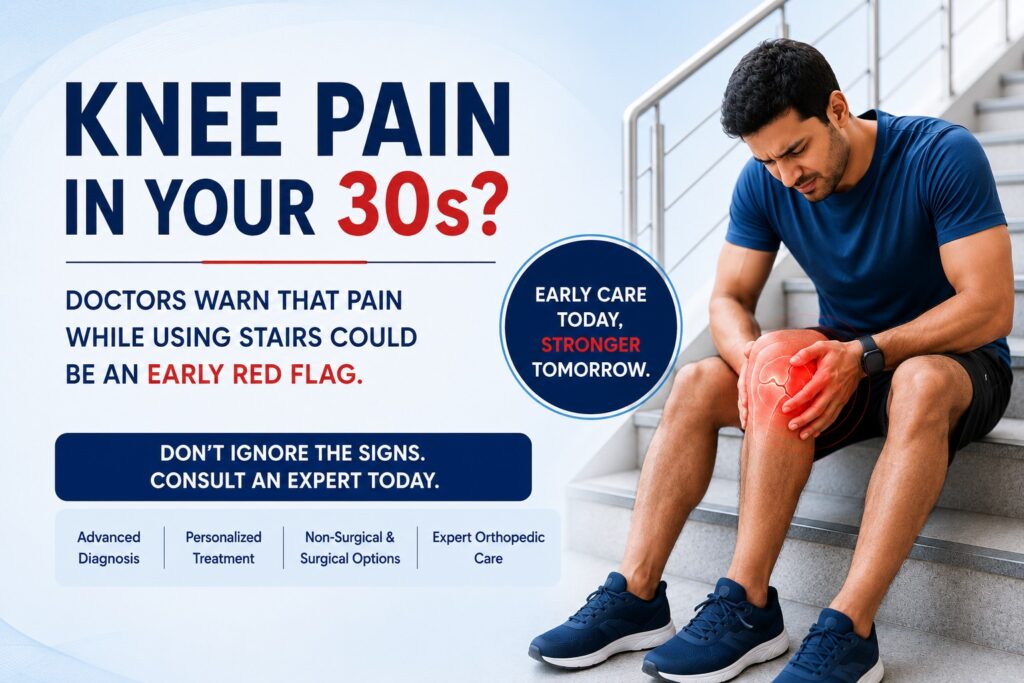
Facebook Twitter Youtube Instagram Knee Pain in Your 30s? Doctors Warn That Pain While Climbing Stairs Could Be an Early Red Flag Knee pain is often considered a problem that affects older adults, but today, many people in their 30s are experiencing early signs of knee problems. One symptom that should not be ignored is pain while climbing or descending stairs. Although occasional discomfort may happen after intense physical activity, repeated knee pain during daily movements could indicate an underlying joint issue. Early diagnosis and proper treatment can prevent the condition from worsening and help maintain long-term knee health. Why Does Knee Pain Occur While Climbing Stairs? Climbing stairs places extra pressure on the knee joint, especially the kneecap (patella) and the surrounding cartilage. If these structures are irritated, damaged, or not functioning properly, simple activities like going up or down stairs can become painful. Pain while using stairs may be an early warning sign of: Cartilage wear or damage Patellofemoral pain syndrome (runner’s knee) Early-stage osteoarthritis Ligament strain or injury Muscle imbalance around the knee Previous untreated injuries Common Causes of Knee Pain in Your 30s 1. Overuse and Active Lifestyle Regular activities such as running, gym workouts, sports, or repetitive movements can place stress on the knee joint, leading to inflammation and discomfort. 2. Poor Muscle Strength and Imbalance Weak thigh and hip muscles may affect knee alignment, causing extra pressure on certain parts of the joint. 3. Previous Knee Injuries Old ligament injuries or untreated trauma can lead to long-term joint problems and recurring pain. 4. Excess Body Weight Additional weight increases pressure on the knee joint, which may accelerate cartilage wear. 5. Early Osteoarthritis While osteoarthritis is common with aging, early cartilage changes can sometimes appear in younger adults due to genetics, injuries, or lifestyle factors. Early Warning Signs You Should Not Ignore Seek medical attention if you experience: ✔ Pain while climbing or descending stairs ✔ Knee pain after sitting for a long time ✔ Clicking or grinding sounds in the knee ✔ Swelling around the joint ✔ Stiffness in the morning or after rest ✔ Difficulty bending or straightening the knee Ignoring these signs can allow minor problems to develop into more serious joint conditions. How Doctors Diagnose Early Knee Problems A specialist may evaluate your condition through: A detailed discussion about your symptoms and activity levels Physical examination of the knee X-rays to assess bone and joint changes MRI scans to evaluate cartilage, ligaments, and soft tissues when needed Accurate diagnosis helps identify the cause of pain and allows doctors to recommend the most suitable treatment. Treatment Options for Knee Pain in Your 30s The right treatment depends on the cause and severity of the condition. Lifestyle Modifications Maintaining a healthy weight Avoiding activities that worsen pain Following proper exercise techniques Physiotherapy and Strength Training Targeted exercises can strengthen the muscles around the knee, improve stability, and reduce stress on the joint. Advanced Non-Surgical Treatments Depending on the condition, treatments such as PRP therapy and advanced rehabilitation techniques may support recovery and improve function. Surgical Treatments If the knee pain is caused by advanced joint damage or serious injuries, orthopedic specialists may suggest advanced treatments to restore knee function and improve mobility. Can Knee Pain in Your 30s Be Prevented? Yes, many knee problems can be prevented by taking care of your joints. Warm up before exercise Strengthen your thigh and hip muscles Maintain a healthy body weight Wear proper footwear during physical activities Avoid ignoring persistent knee discomfort Small lifestyle changes today can protect your knees for years to come. When Should You Consult an Orthopedic Specialist? Do not wait until the pain becomes severe. Consult a specialist if knee pain: Continues for more than a few days Interferes with your daily activities Is associated with swelling or instability Keeps returning after physical activity Early intervention can help prevent long-term joint damage and improve recovery outcomes. Take Early Knee Pain Seriously Knee pain in your 30s should never be considered “too early” to seek medical advice. Pain while climbing stairs may be a warning sign of cartilage damage, muscle imbalance, or early joint changes. With timely diagnosis, the right treatment, and proper rehabilitation, most people can continue leading an active and pain-free life. If you experience persistent knee pain or difficulty while using stairs, consult the orthopedic specialists at MJ Naidu Super Specialty Hospital for a detailed evaluation and personalized treatment plan. Enquire now Table of Contents What is Knee Osteoarthritis? What is PRP for Knee Osteoarthritis? How PRP Helps in Knee Cartilage Damage Benefits of PRP for Knee Osteoarthritis PRP Procedure: Step-by-Step Recovery After PRP Injection Who is Eligible for PRP Injection? PRP Injection vs Conventional Treatments Is PRP Injection Safe? MJNaidu hospital latest Updates delivered straight to your inbox Follow Us You have been successfully Subscribed! Ops! Something went wrong, please try again.
Robotic Physiotherapy: The Future of Recovery and Rehabilitation
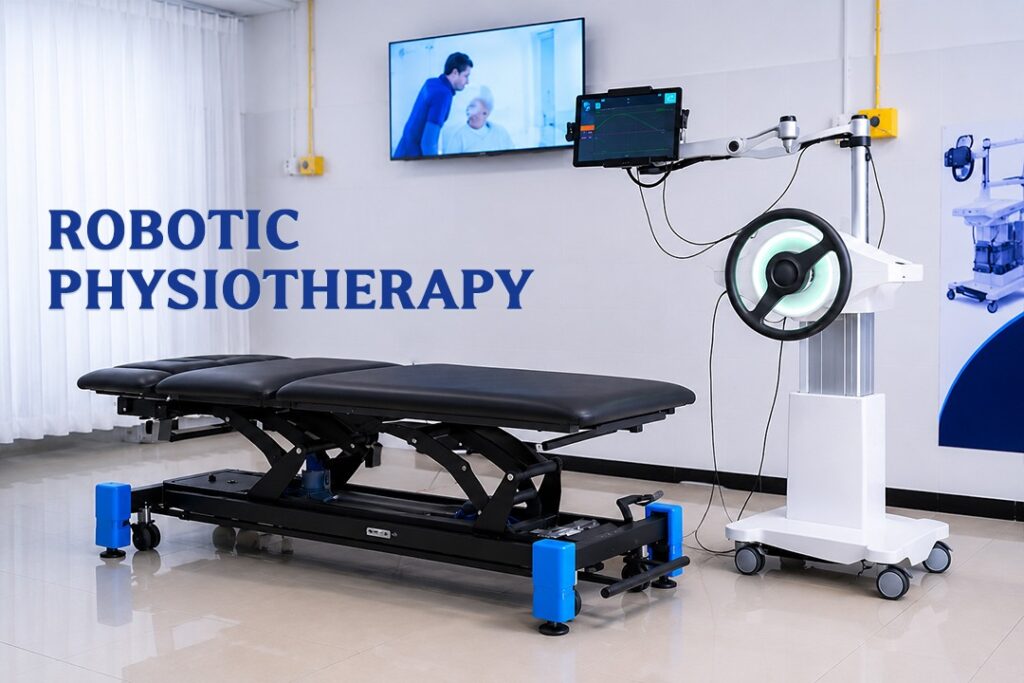
Facebook Twitter Youtube Instagram Robotic Physiotherapy: The Future of Recovery and Rehabilitation Recovery after surgery, injury, or neurological conditions often depends on effective rehabilitation and physiotherapy support. With advancements in healthcare technology, robotic physiotherapy is changing the way patients recover by improving precision, movement training, and overall rehabilitation outcomes. Today, many hospitals and rehabilitation centers are adopting robotic-assisted therapy to help patients regain strength, mobility, and independence faster and more effectively. What is Robotic Physiotherapy? Robotic physiotherapy is an advanced rehabilitation method that uses robotic devices and intelligent technology to assist patients during physical therapy sessions. These systems are designed to support movement training, improve muscle coordination, and help patients perform repetitive exercises with better accuracy. Unlike traditional physiotherapy alone, robotic-assisted rehabilitation provides consistent motion guidance and real-time feedback during therapy. Why Robotic Physiotherapy is Becoming Popular Modern rehabilitation focuses not only on recovery but also on improving long-term mobility and quality of life. Robotic physiotherapy helps by: Enhancing movement precision Supporting faster recovery after surgery Improving muscle strength and coordination Reducing physical strain during therapy sessions Providing personalized rehabilitation programs This technology is especially useful for patients who require intensive rehabilitation after major surgeries or neurological conditions. Conditions Treated with Robotic Physiotherapy Robotic rehabilitation can benefit patients recovering from various conditions, including: Orthopedic Recovery Knee replacement surgery Hip replacement surgery Sports injuries Fractures and ligament injuries Neurological Rehabilitation Stroke recovery Parkinson’s disease Spinal cord injuries Paralysis-related mobility issues Post-Surgical Rehabilitation Patients recovering after major surgeries often require guided rehabilitation to restore normal movement and strength. How Robotic Physiotherapy Works Robotic rehabilitation systems use sensors, motion tracking, and computer-guided technology to assist patients during exercises. The system monitors movement patterns and helps patients perform controlled exercises safely and effectively. Some advanced systems also provide: Real-time performance monitoring Customized exercise intensity Gait and balance training Interactive recovery programs This combination of technology and physiotherapy improves patient engagement and treatment accuracy. Benefits of Robotic Physiotherapy ✅ Improved Recovery Speed Structured movement training helps patients recover mobility more efficiently. ✅ Better Accuracy in Rehabilitation Robotic systems guide movements with precision, reducing incorrect exercise patterns. ✅ Enhanced Muscle Coordination Repeated controlled exercises help improve strength and balance. ✅ Personalized Therapy Programs Therapy sessions can be adjusted based on the patient’s condition and progress. ✅ Higher Patient Motivation Interactive rehabilitation systems often improve patient participation and confidence. Robotic Physiotherapy After Knee Replacement One of the most common uses of robotic physiotherapy for recovery is after joint replacement surgery. Patients recovering from knee replacement often benefit from: Improved walking ability Better joint flexibility Faster muscle strengthening Reduced stiffness This helps patients return to normal daily activities more comfortably. Who Can Benefit from Robotic Rehabilitation? Robotic physiotherapy may be suitable for: Elderly patients with mobility issues Post-surgical patients Stroke rehabilitation patients Athletes recovering from injuries Patients with neurological disorders A physiotherapy specialist can determine the most suitable rehabilitation plan based on the patient’s condition. The Future of Rehabilitation Technology The integration of robotics and physiotherapy is transforming modern healthcare. As technology continues to advance, rehabilitation is becoming: More precise More patient-focused More effective for long-term recovery The future of physiotherapy is expected to combine robotics, artificial intelligence, and real-time monitoring to deliver better rehabilitation outcomes. Final Thoughts Robotic physiotherapy is redefining recovery and rehabilitation by combining advanced technology with personalized patient care. From orthopedic recovery to neurological rehabilitation, robotic-assisted therapy offers improved accuracy, better mobility training, and enhanced recovery experiences. For patients looking for advanced rehabilitation solutions, robotic physiotherapy represents the future of modern recovery care. Enquire now Table of Contents What is Knee Osteoarthritis? What is PRP for Knee Osteoarthritis? How PRP Helps in Knee Cartilage Damage Benefits of PRP for Knee Osteoarthritis PRP Procedure: Step-by-Step Recovery After PRP Injection Who is Eligible for PRP Injection? PRP Injection vs Conventional Treatments Is PRP Injection Safe? MJNaidu hospital latest Updates delivered straight to your inbox Follow Us You have been successfully Subscribed! Ops! Something went wrong, please try again.
Advanced Augmented Reality(AR) in Knee Replacement for Grade 4 Osteoarthritis

Facebook Twitter Youtube Instagram Advanced Augmented Reality(AR) in Knee Replacement for Grade 4 Osteoarthritis Grade 4 osteoarthritis is the most severe stage of knee arthritis, where the cushioning cartilage inside the joint becomes heavily damaged. As the condition progresses, patients often experience constant pain, stiffness, swelling, and difficulty performing everyday activities. With recent developments in orthopedic care, advanced technologies such as Augmented Reality (AR)-assisted knee replacement surgery are helping surgeons improve precision and overall treatment outcomes. What is Grade 4 Osteoarthritis? In Grade 4 osteoarthritis, the knee joint experiences advanced wear and tear. The protective cartilage that allows smooth joint movement becomes extremely thin or completely damaged. This can result in: Bone friction inside the joint Severe inflammation Reduced flexibility Difficulty walking or standing for long periods Common Symptoms ✔ Continuous knee pain ✔ Joint stiffness ✔ Swelling around the knee✔ Reduced mobility✔ Cracking or grinding sensation during movement At this stage, patients may not receive enough relief from medications, injections, or physiotherapy alone. Why Knee Replacement is Recommended In Grade 4 osteoarthritis, non-surgical treatments may provide only temporary relief. When the joint damage is severe, knee replacement surgery becomes the most effective solution. The damaged joint is replaced with an artificial implant to restore movement and reduce pain. What is Augmented Reality in Orthopedic Surgery? Augmented Reality (AR) technology adds digital guidance during surgery to help surgeons visualize the knee joint more accurately. Using advanced imaging and tracking systems, AR provides: Real-time surgical guidance 3D visualization of the knee anatomy Improved implant positioning assistance Better alignment monitoring during surgery This technology helps surgeons make more accurate decisions throughout the procedure. How AR Technology Improves Knee Replacement AR-assisted knee replacement enhances surgical precision in several ways. ✔ Better Implant Positioning Accurate placement of implants improves joint function and stability. ✔ Improved Joint Alignment AR systems help surgeons maintain proper alignment during surgery, which is important for long-term mobility. ✔ More Personalized Surgery Each patient’s knee structure is different. AR technology allows procedures to be customized according to individual anatomy. ✔ Enhanced Surgical Accuracy Real-time digital guidance helps improve precision during critical surgical steps. ✔ Support for Faster Recovery Better surgical accuracy may help patients experience smoother rehabilitation and improved mobility after surgery. Comparison: AR-Assisted Surgery vs Robotic Knee Replacement Both technologies aim to improve knee replacement outcomes, but they work differently. Feature AR-Assisted Surgery Robotic-Assisted Surgery Main Focus Real-time visualization Mechanical precision support Guidance Method Digital overlays and tracking Robotic arm assistance Customization Personalized visual planning Pre-programmed alignment support Surgeon Control Fully surgeon-controlled Surgeon-guided robotic assistance Goal Improved surgical visualization Increased cutting precision Benefits for Grade 4 Osteoarthritis Patients For patients with severe joint damage, AR technology provides: More accurate surgery Better implant positioning Reduced complications Improved mobility after surgery Long-lasting results Advanced technology can help improve confidence and overall recovery outcomes for patients undergoing knee replacement surgery. Recovery After AR-Assisted Knee Replacement Recovery depends on the patient’s overall health and rehabilitation program. Early Recovery Walking support may begin within days Pain management and physiotherapy are initiated early Rehabilitation Phase Strengthening exercises improve mobility Gradual return to normal activities Continued physiotherapy enhances joint flexibility Many patients experience improved comfort and movement over time with proper rehabilitation. Why Choose Advanced Technology for Treatment? Modern technologies like AR are designed to: Enhance surgical accuracy Improve patient safety Deliver better long-term results Choosing a hospital that uses advanced techniques ensures better care and outcomes. When Should You Consult a Doctor? You should seek medical advice if you experience: Severe knee pain Difficulty walking Joint stiffness Reduced knee movement Pain affecting daily activities Early consultation helps in choosing the right treatment at the right time. Final Thoughts Grade 4 osteoarthritis can significantly impact mobility and quality of life. Advanced technologies like Augmented Reality-assisted knee replacement surgery are helping improve precision, implant alignment, and overall patient outcomes. As orthopedic care continues to evolve, AR-assisted surgery represents an important advancement in delivering more accurate and personalized treatment for severe knee arthritis. Enquire now Table of Contents What is Knee Osteoarthritis? What is PRP for Knee Osteoarthritis? How PRP Helps in Knee Cartilage Damage Benefits of PRP for Knee Osteoarthritis PRP Procedure: Step-by-Step Recovery After PRP Injection Who is Eligible for PRP Injection? PRP Injection vs Conventional Treatments Is PRP Injection Safe? MJNaidu hospital latest Updates delivered straight to your inbox Follow Us You have been successfully Subscribed! Ops! Something went wrong, please try again.