

Gym Injuries: 7 Common Orthopaedic Problems and How to Prevent Them

Facebook Twitter Youtube Instagram Gym Injuries: 7 Common Orthopaedic Problems and How to Prevent Them Going to the gym is a great way to build strength and stay active, but incorrect technique, sudden increases in workout intensity, or inadequate recovery can sometimes lead to gym injuries. Knowing the common problems and how to prevent them can help you exercise safely. 7 Common Gym Injuries 1. Muscle Strains Lifting weights that are too heavy or using poor technique can overstretch or tear muscles, commonly affecting the back, shoulders and legs. 2. Knee Injuries Squats, lunges and other exercises can put stress on the knee when performed incorrectly. Knee injuries may include ligament or cartilage problems. 3. Shoulder Injuries Overhead presses, bench presses and repetitive movements can contribute to shoulder pain or tendon injuries. 4. Lower Back Pain Poor lifting posture, excessive weights and weak core muscles can place additional stress on the lower back. 5. Tendinitis Repeated movements can irritate a tendon and cause pain, stiffness or tenderness around joints such as the shoulder, elbow or knee. 6. Ankle Sprains Improper landing, sudden changes in direction or losing balance during exercise can cause an ankle sprain. 7. Meniscus Injuries Twisting the knee while lifting or exercising can sometimes injure the meniscus, which helps absorb shock within the knee joint. How Can You Prevent Gym Injuries? A few simple habits can make your workouts safer: Warm up before exercising and cool down afterwards. Start with manageable weights and increase intensity gradually. Focus on proper exercise technique rather than lifting heavier weights. Give your body enough time to recover between demanding workouts, especially when training the same muscle groups. Wear appropriate, comfortable footwear. Stop or modify an exercise if you experience sharp or persistent pain. Include strength, flexibility and movement training as part of your routine. For certain sports-related injuries, structured neuromuscular training can also help improve strength, balance and movement control. When Should You See an Orthopaedic Specialist? Do not ignore pain that is severe, persistent, associated with significant swelling, causes difficulty walking, or keeps getting worse. An orthopaedic specialist can assess the problem and recommend treatment based on the underlying cause. Train Smart, Stay Strong Regular exercise can support your overall health, but proper technique, gradual progression and adequate recovery are important for reducing the risk of gym injuries. Experiencing persistent pain after a workout? Consult the orthopaedic specialists at MJ Naidu Super Speciality Hospital for an appropriate evaluation and treatment plan. Enquire now Table of Contents Gym Injuries: 7 Common Orthopaedic Problems and How to Prevent Them 7 Common Gym Injuries How Can You Prevent Gym Injuries? When Should You See an Orthopaedic Specialist? MJNaidu hospital latest Updates delivered straight to your inbox Follow Us You have been successfully Subscribed! Ops! Something went wrong, please try again.
Knee Pain at Night: Causes, Symptoms & Treatment | MJ Naidu
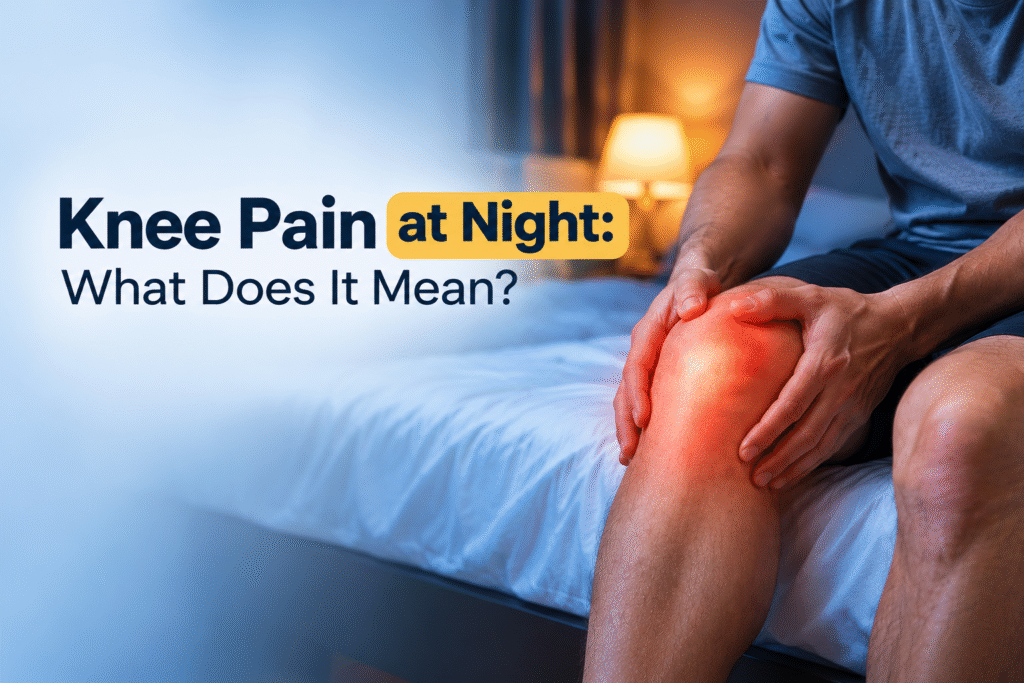
Facebook Twitter Youtube Instagram Knee Pain at Night: What Does It Mean? Waking up at night because of knee pain can be frustrating, especially when it starts affecting your sleep. While occasional knee discomfort may happen after a busy day or physical activity, frequent or persistent knee pain at night may indicate an underlying joint problem. Common Causes of Knee Pain at Night Several conditions can cause knee pain while resting or sleeping, including: Knee osteoarthritis: Wear and changes in the joint can cause pain, stiffness and swelling. In some people, the discomfort can become noticeable at night. Previous knee injuries: Old ligament, cartilage or meniscus injuries may continue to cause discomfort. Inflammation: Conditions affecting the joints can cause pain, swelling and stiffness. Overuse: Increased walking, exercise or physical activity can sometimes aggravate knee pain. Other joint conditions: Gout, bursitis and other inflammatory conditions can also cause knee pain. When Should You See an Orthopaedic Doctor? If your knee pain keeps waking you at night, continues for several weeks, or is accompanied by swelling, stiffness, difficulty walking or reduced knee movement, it is advisable to get it evaluated. Persistent pain that affects sleep or daily activities should not be ignored. An orthopaedic specialist can assess your symptoms and recommend appropriate investigations and treatment based on the underlying cause. How Can Knee Pain Be Managed? Treatment depends on what is causing the pain. Depending on the condition, your doctor may recommend lifestyle changes, physiotherapy, medication, exercises or other treatments. Maintaining a healthy weight and staying physically active with appropriate exercises can also help manage symptoms associated with knee osteoarthritis. Don’t Ignore Persistent Knee Pain Occasional knee discomfort may not always be serious, but persistent knee pain at night deserves attention. Identifying the cause early can help you receive appropriate treatment and protect your joint health. Experiencing persistent knee pain? Consult an orthopaedic specialist at MJ Naidu Super Speciality Hospital for an evaluation and personalised treatment plan. Enquire now Table of Contents Knee Pain at Night: What Does It Mean? Common Causes of Knee Pain at Night When Should You See an Orthopaedic Doctor? How Can Knee Pain Be Managed? Don’t Ignore Persistent Knee Pain MJNaidu hospital latest Updates delivered straight to your inbox Follow Us You have been successfully Subscribed! Ops! Something went wrong, please try again.
Robotic Physiotherapy: The Future of Recovery and Rehabilitation
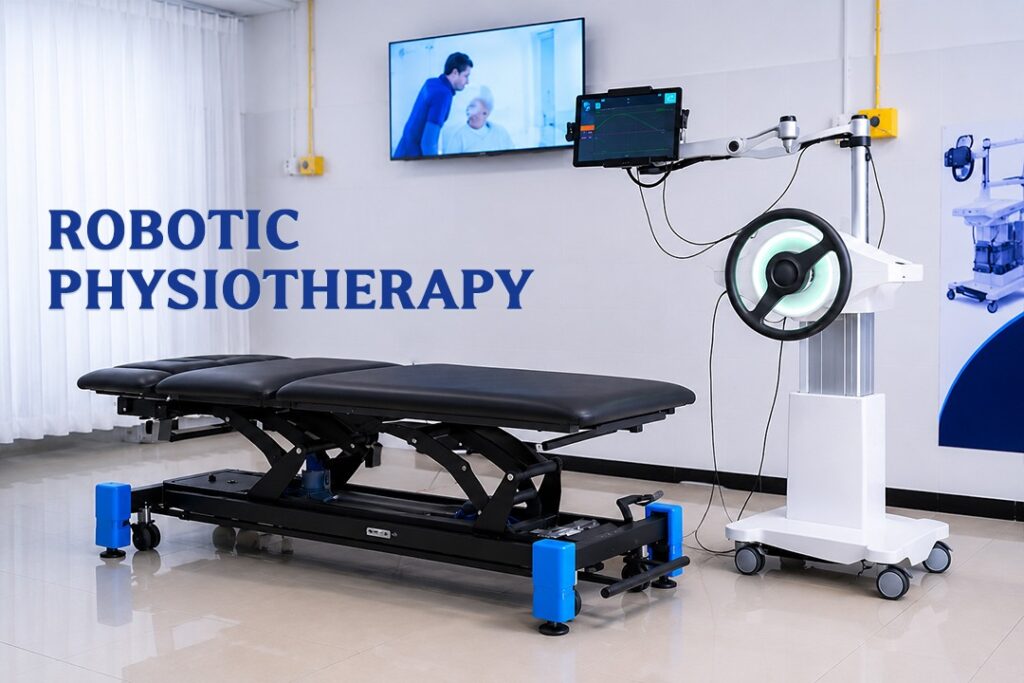
Facebook Twitter Youtube Instagram Robotic Physiotherapy: The Future of Recovery and Rehabilitation Recovery after surgery, injury, or neurological conditions often depends on effective rehabilitation and physiotherapy support. With advancements in healthcare technology, robotic physiotherapy is changing the way patients recover by improving precision, movement training, and overall rehabilitation outcomes. Today, many hospitals and rehabilitation centers are adopting robotic-assisted therapy to help patients regain strength, mobility, and independence faster and more effectively. What is Robotic Physiotherapy? Robotic physiotherapy is an advanced rehabilitation method that uses robotic devices and intelligent technology to assist patients during physical therapy sessions. These systems are designed to support movement training, improve muscle coordination, and help patients perform repetitive exercises with better accuracy. Unlike traditional physiotherapy alone, robotic-assisted rehabilitation provides consistent motion guidance and real-time feedback during therapy. Why Robotic Physiotherapy is Becoming Popular Modern rehabilitation focuses not only on recovery but also on improving long-term mobility and quality of life. Robotic physiotherapy helps by: Enhancing movement precision Supporting faster recovery after surgery Improving muscle strength and coordination Reducing physical strain during therapy sessions Providing personalized rehabilitation programs This technology is especially useful for patients who require intensive rehabilitation after major surgeries or neurological conditions. Conditions Treated with Robotic Physiotherapy Robotic rehabilitation can benefit patients recovering from various conditions, including: Orthopedic Recovery Knee replacement surgery Hip replacement surgery Sports injuries Fractures and ligament injuries Neurological Rehabilitation Stroke recovery Parkinson’s disease Spinal cord injuries Paralysis-related mobility issues Post-Surgical Rehabilitation Patients recovering after major surgeries often require guided rehabilitation to restore normal movement and strength. How Robotic Physiotherapy Works Robotic rehabilitation systems use sensors, motion tracking, and computer-guided technology to assist patients during exercises. The system monitors movement patterns and helps patients perform controlled exercises safely and effectively. Some advanced systems also provide: Real-time performance monitoring Customized exercise intensity Gait and balance training Interactive recovery programs This combination of technology and physiotherapy improves patient engagement and treatment accuracy. Benefits of Robotic Physiotherapy ✅ Improved Recovery Speed Structured movement training helps patients recover mobility more efficiently. ✅ Better Accuracy in Rehabilitation Robotic systems guide movements with precision, reducing incorrect exercise patterns. ✅ Enhanced Muscle Coordination Repeated controlled exercises help improve strength and balance. ✅ Personalized Therapy Programs Therapy sessions can be adjusted based on the patient’s condition and progress. ✅ Higher Patient Motivation Interactive rehabilitation systems often improve patient participation and confidence. Robotic Physiotherapy After Knee Replacement One of the most common uses of robotic physiotherapy for recovery is after joint replacement surgery. Patients recovering from knee replacement often benefit from: Improved walking ability Better joint flexibility Faster muscle strengthening Reduced stiffness This helps patients return to normal daily activities more comfortably. Who Can Benefit from Robotic Rehabilitation? Robotic physiotherapy may be suitable for: Elderly patients with mobility issues Post-surgical patients Stroke rehabilitation patients Athletes recovering from injuries Patients with neurological disorders A physiotherapy specialist can determine the most suitable rehabilitation plan based on the patient’s condition. The Future of Rehabilitation Technology The integration of robotics and physiotherapy is transforming modern healthcare. As technology continues to advance, rehabilitation is becoming: More precise More patient-focused More effective for long-term recovery The future of physiotherapy is expected to combine robotics, artificial intelligence, and real-time monitoring to deliver better rehabilitation outcomes. Final Thoughts Robotic physiotherapy is redefining recovery and rehabilitation by combining advanced technology with personalized patient care. From orthopedic recovery to neurological rehabilitation, robotic-assisted therapy offers improved accuracy, better mobility training, and enhanced recovery experiences. For patients looking for advanced rehabilitation solutions, robotic physiotherapy represents the future of modern recovery care. Enquire now Table of Contents What is Knee Osteoarthritis? What is PRP for Knee Osteoarthritis? How PRP Helps in Knee Cartilage Damage Benefits of PRP for Knee Osteoarthritis PRP Procedure: Step-by-Step Recovery After PRP Injection Who is Eligible for PRP Injection? PRP Injection vs Conventional Treatments Is PRP Injection Safe? MJNaidu hospital latest Updates delivered straight to your inbox Follow Us You have been successfully Subscribed! Ops! Something went wrong, please try again.
Advanced Augmented Reality(AR) in Knee Replacement for Grade 4 Osteoarthritis

Facebook Twitter Youtube Instagram Advanced Augmented Reality(AR) in Knee Replacement for Grade 4 Osteoarthritis Grade 4 osteoarthritis is the most severe stage of knee arthritis, where the cushioning cartilage inside the joint becomes heavily damaged. As the condition progresses, patients often experience constant pain, stiffness, swelling, and difficulty performing everyday activities. With recent developments in orthopedic care, advanced technologies such as Augmented Reality (AR)-assisted knee replacement surgery are helping surgeons improve precision and overall treatment outcomes. What is Grade 4 Osteoarthritis? In Grade 4 osteoarthritis, the knee joint experiences advanced wear and tear. The protective cartilage that allows smooth joint movement becomes extremely thin or completely damaged. This can result in: Bone friction inside the joint Severe inflammation Reduced flexibility Difficulty walking or standing for long periods Common Symptoms ✔ Continuous knee pain ✔ Joint stiffness ✔ Swelling around the knee✔ Reduced mobility✔ Cracking or grinding sensation during movement At this stage, patients may not receive enough relief from medications, injections, or physiotherapy alone. Why Knee Replacement is Recommended In Grade 4 osteoarthritis, non-surgical treatments may provide only temporary relief. When the joint damage is severe, knee replacement surgery becomes the most effective solution. The damaged joint is replaced with an artificial implant to restore movement and reduce pain. What is Augmented Reality in Orthopedic Surgery? Augmented Reality (AR) technology adds digital guidance during surgery to help surgeons visualize the knee joint more accurately. Using advanced imaging and tracking systems, AR provides: Real-time surgical guidance 3D visualization of the knee anatomy Improved implant positioning assistance Better alignment monitoring during surgery This technology helps surgeons make more accurate decisions throughout the procedure. How AR Technology Improves Knee Replacement AR-assisted knee replacement enhances surgical precision in several ways. ✔ Better Implant Positioning Accurate placement of implants improves joint function and stability. ✔ Improved Joint Alignment AR systems help surgeons maintain proper alignment during surgery, which is important for long-term mobility. ✔ More Personalized Surgery Each patient’s knee structure is different. AR technology allows procedures to be customized according to individual anatomy. ✔ Enhanced Surgical Accuracy Real-time digital guidance helps improve precision during critical surgical steps. ✔ Support for Faster Recovery Better surgical accuracy may help patients experience smoother rehabilitation and improved mobility after surgery. Comparison: AR-Assisted Surgery vs Robotic Knee Replacement Both technologies aim to improve knee replacement outcomes, but they work differently. Feature AR-Assisted Surgery Robotic-Assisted Surgery Main Focus Real-time visualization Mechanical precision support Guidance Method Digital overlays and tracking Robotic arm assistance Customization Personalized visual planning Pre-programmed alignment support Surgeon Control Fully surgeon-controlled Surgeon-guided robotic assistance Goal Improved surgical visualization Increased cutting precision Benefits for Grade 4 Osteoarthritis Patients For patients with severe joint damage, AR technology provides: More accurate surgery Better implant positioning Reduced complications Improved mobility after surgery Long-lasting results Advanced technology can help improve confidence and overall recovery outcomes for patients undergoing knee replacement surgery. Recovery After AR-Assisted Knee Replacement Recovery depends on the patient’s overall health and rehabilitation program. Early Recovery Walking support may begin within days Pain management and physiotherapy are initiated early Rehabilitation Phase Strengthening exercises improve mobility Gradual return to normal activities Continued physiotherapy enhances joint flexibility Many patients experience improved comfort and movement over time with proper rehabilitation. Why Choose Advanced Technology for Treatment? Modern technologies like AR are designed to: Enhance surgical accuracy Improve patient safety Deliver better long-term results Choosing a hospital that uses advanced techniques ensures better care and outcomes. When Should You Consult a Doctor? You should seek medical advice if you experience: Severe knee pain Difficulty walking Joint stiffness Reduced knee movement Pain affecting daily activities Early consultation helps in choosing the right treatment at the right time. Final Thoughts Grade 4 osteoarthritis can significantly impact mobility and quality of life. Advanced technologies like Augmented Reality-assisted knee replacement surgery are helping improve precision, implant alignment, and overall patient outcomes. As orthopedic care continues to evolve, AR-assisted surgery represents an important advancement in delivering more accurate and personalized treatment for severe knee arthritis. Enquire now Table of Contents What is Knee Osteoarthritis? What is PRP for Knee Osteoarthritis? How PRP Helps in Knee Cartilage Damage Benefits of PRP for Knee Osteoarthritis PRP Procedure: Step-by-Step Recovery After PRP Injection Who is Eligible for PRP Injection? PRP Injection vs Conventional Treatments Is PRP Injection Safe? MJNaidu hospital latest Updates delivered straight to your inbox Follow Us You have been successfully Subscribed! Ops! Something went wrong, please try again.
Boost Your Bone Health Naturally: Tips for Stronger Bones and Osteoporosis Prevention

Boost Your Bone Health Naturally Facebook Twitter Youtube Instagram Healthy bones are essential for staying active and living life to the fullest. Yet, many people think that taking calcium supplements alone is enough to maintain bone health. While calcium is vital, a combination of balanced nutrition, regular exercise, and healthy lifestyle habits plays a crucial role in keeping bones dense, strong, and resilient. Poor bone health can lead to conditions like osteoporosis, making bones fragile and more prone to fractures. This blog explores science-backed ways to boost your bone health naturally, helping you maintain strength and mobility at every stage of life. 1. Essential Nutrients for Strong Bones To maintain optimal bone density, your body needs several key nutrients: Calcium: The building block of bones, calcium is essential for bone strength. Include dairy products like milk, cheese, and yogurt, or plant-based sources like spinach, kale, and fortified almond or soy milk. Vitamin D: Helps your body absorb calcium efficiently. Sunlight exposure, fatty fish like salmon, and fortified foods are great sources. Magnesium: Supports bone structure and calcium regulation. Found in nuts, seeds, whole grains, and green leafy vegetables. Protein: Necessary for bone repair and maintenance. Include lean meats, fish, eggs, legumes, and dairy. Other Micronutrients: Vitamins K and C, phosphorus, and zinc contribute to bone strength and overall skeletal health. 2. Bone-Boosting Foods Adding the right foods to your daily diet can naturally improve bone density: Dairy Products: Milk, yogurt, and cheese provide calcium and protein. Leafy Greens: Spinach, kale, and broccoli supply calcium, magnesium, and vitamin K. Nuts and Seeds: Almonds, walnuts, chia seeds, and flaxseeds offer magnesium and healthy fats. Fatty Fish: Salmon, sardines, and mackerel are rich in calcium and vitamin D. Fortified Foods: Plant-based milks, cereals, and orange juice can help fill nutritional gaps. 3. Lifestyle Habits for Strong Bones Weight-Bearing Exercises: Walking, jogging, climbing stairs, dancing, and resistance training stimulate bone growth and increase density. Sun Exposure: 10–15 minutes of daily sunlight helps your body produce vitamin D naturally. Avoid Smoking and Excess Alcohol: Both habits weaken bones and increase fracture risk. Nutrition alone is not enough; lifestyle habits greatly influence bone health. Maintain a Healthy Weight: Being underweight or overweight can strain bones and joints. 4. Tips for Different Age Groups Bone health needs vary with age: Young Adults (20s–30s): Focus on building peak bone mass with balanced nutrition and regular exercise. Avoid smoking and limit caffeine. Middle Age (40s–50s): Maintain bone density with continued exercise and nutrient-rich foods. Consider bone density screenings if risk factors exist. Seniors (60+): Emphasize gentle resistance training, balance exercises to prevent falls, and routine monitoring for osteoporosis. 5. Preventive Measures Daily habits can help protect and strengthen bones naturally: Eat calcium- and vitamin D-rich foods at every meal. Engage in weight-bearing or resistance exercises 3–4 times per week. Limit processed foods, sugar, and excessive caffeine. Avoid smoking and reduce alcohol intake. Regularly monitor bone health with your doctor. Strong bones are key to an active and independent life. By combining proper nutrition, regular exercise, and healthy lifestyle habits, you can naturally maintain bone density and reduce the risk of osteoporosis. For personalized guidance on bone health, nutrition, and lifestyle plans, schedule a consultation with MJ Naidu Hospitals’ Orthopedics and Nutrition specialists. Our team can help you create a customized plan to strengthen your bones and maintain optimal skeletal health for years to come. Enquire now Table of Contents This blog explores science-backed Essential Nutrients for Strong Bones Bone-Boosting Foods Lifestyle Habits for Strong Bones Tips for Different Age Groups Preventive Measures MJNaidu hospital latest Updates delivered straight to your inbox Follow Us You have been successfully Subscribed! Ops! Something went wrong, please try again.
Joint Pain in the Elderly: Causes, Risks, Prevention, and Treatment

Joint Pain in the Elderly: Causes, Risks, Prevention, and Treatment Facebook Twitter Youtube Instagram As we age, joint pain becomes our regular companion, and not to forget that once it sets in, the damage can’t be undone, but can only be managed. Pain showing up as we age is common, but it can be delayed if we are vigilant and alert during our mid-years by choosing a healthy lifestyle and diet. According to the University of Michigan National Poll on Healthy Aging, 70% of adults over 50 experience joint pain at least occasionally, and 60% have been diagnosed with some form of arthritis. Nearly half of those with arthritis report daily pain (45%), and about 49% say joint pain limits their usual activities to some extent. Over a third (36%) find that it interferes with their daily life. Let’s uncover more about joint pain causes and how joint pain treatment works. You may not feel it until you fracture it: How to work around joint pain? Bone loss happens as we age, and certain conditions trigger it. For instance, in women, it speeds up after menopause. The tricky part is you don’t feel it happening; you are going about your day, and a sudden twitch, a snap, that’s it. Your bones are your supportive bestie, always holding you up, but sometimes your bestie can’t offer you all. That’s where the unchecked bone loss kicks in with signs. What is Arthritis and How is it Different from Osteoarthritis? While the terms ‘osteoarthritis’ (OA) and ‘arthritis’ are sometimes used interchangeably, they aren’t synonymous. Arthritis encompasses over 100 joint conditions characterized by inflammation, affecting both the joints and surrounding connective tissues. Osteoarthritis is a specific type of arthritis, often referred to as degenerative or wear-and-tear arthritis, because it results from long-term joint usage as people age. Osteoarthritis results from cartilage breakdown at the ends of bones where joints form, leading to pain and stiffness. It’s the most common form of arthritis, affecting 32.5 million adults in the United States, and is followed by rheumatoid arthritis (RA) an inflammatory type that can damage joints and organs. Globally, osteoarthritis is a leading cause of disability. Common Symptoms of Osteoarthritis Pain in affected joints, worse after activity or long days Stiffness, especially after rest or inactivity, improves with movement Tenderness and general discomfort Reduced range of motion and loss of flexibility Crepitus – grating, clicking, or popping sounds during joint movement Bone spurs – extra bone at joints, may form visible lumps Swelling in the tissues surrounding the joints as OA progresses Frequently Affected Joints Knees: Pain, difficulty walking, climbing stairs, getting in/out of bed Hips: Pain in the hip, groin, inner thigh, buttocks, or knees; reduced mobility Other areas: Shoulders, hands, fingers, feet Spine: Neck and lower back pain/stiffness Pressure on spinal nerves causing: Weakness Numbness Tingling in arms/legs Severe cases: bowel/bladder dysfunction Types of Joint Pain Wrist Joint Pain Wrist pain commonly arises from repetitive strain, sprains, or underlying conditions like carpal tunnel syndrome. It may gradually impact movement and fine motor control. Knee Joint Pain Often linked to overuse, injury, or degenerative issues like osteoarthritis, knee joint pain can affect mobility and stability in everyday activities. Finger Joint Pain Pain in the finger joints may be due to inflammatory diseases such as rheumatoid arthritis or gout. It causes stiffness, swelling, and difficulty with precise tasks. Hip Joint Pain Hip joint pain may result from age-related cartilage wear, bursitis, or muscle strain. It often limits motion and may spread to nearby areas like the thigh or groin. Hand Joint Pain Hand joint discomfort often stems from arthritis or repetitive use injuries. It can make gripping or performing routine tasks painful and difficult. Leg Joint Pain Leg joint pain may originate from issues in the hip, knee, or ankle, or be related to nerves. It can vary in intensity and often worsens with prolonged activity. What are the Notable Joint Pain Causes? Injury Joint damage can result from falls, sprains, overuse, or strain on tendons and ligaments. Common injury sites include the shoulder, knee, hip, wrist, and ankle. Osteoarthritis (OA) Caused by the gradual breakdown of cartilage due to aging or joint stress. More common in older adults, especially those with excess weight, prior joint injuries, or a genetic predisposition. Autoimmune Diseases Includes conditions like rheumatoid arthritis, psoriatic arthritis, and lupus, where the immune system mistakenly attacks joint tissues. Often begins in younger adults and disproportionately affects women. Gout (Crystalline Arthritis) Triggered by high uric acid levels, leading to sharp crystals forming in joints—most frequently the big toe. Often linked to dietary habits and genetic susceptibility. Pinched or Inflamed Nerve Occurs when nerves supplying the joint are compressed or irritated. Examples include carpal tunnel syndrome (wrist pain) and spinal nerve compression (hip pain). Joint Infection Though rare, infections spreading through the bloodstream can invade joints, causing sudden pain, swelling, redness, and systemic symptoms like fever or chills. Joint Pain Treatment A combination of lifestyle modifications and targeted therapies is apt for osteoarthritis. Guidelines for joint pain treatment highlight the importance of weight loss, regular exercise, and participation in self-management programs led by arthritis educators. Complementary approaches such as tai chi, yoga, cognitive behavioral therapy, acupuncture or acupressure, and the use of braces, splints, Kinesio taping, and topical treatments like heat, cold, or pain relievers are also encouraged. Despite these recommendations, while 64% of individuals with joint pain report engaging in exercise and 24% have undergone physical therapy, fewer utilize non-drug strategies such as braces. In terms of medication, the focus remains on short-term use of over-the-counter pain relievers at the lowest effective dose, alongside steroid joint injections for selected cases. As regards workout inclusion, it is advisable to add bone-strengthening exercises to your routine, like walking, resistance band workouts, or light weight training. A simple and consistent workout routine will do wonders. You might feel fine today, but that doesn’t always mean your joints are thriving. Osteoarthritis often whispers before it shouts. So, listen