

Knee pain is a common problem that can affect people of all age groups. It can limit your daily activities, reduce mobility, and impact your overall quality of life. With medical advancements, patients today have both non-surgical and surgical treatment options, including PRP therapy and knee replacement surgery.
Choosing the right treatment depends on the severity of the condition, lifestyle, and long-term goals. Understanding both options can help you make an informed decision.
Understanding PRP Therapy
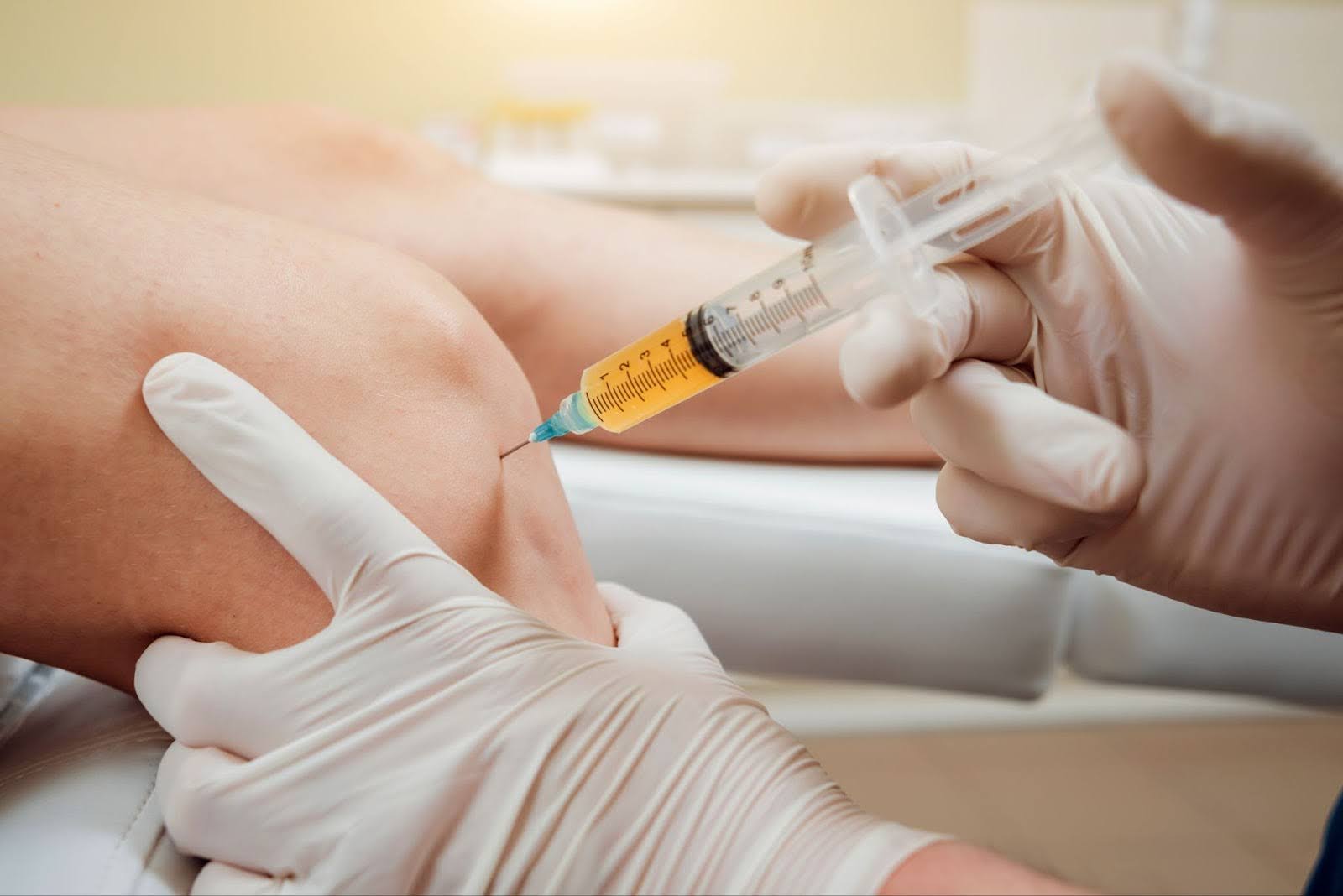
PRP (Platelet-Rich Plasma) therapy is a modern, non-surgical treatment that uses the patient’s own blood to support healing.
In this procedure, blood is processed to concentrate platelets, which are rich in growth factors. These are then injected into the knee joint to promote tissue repair, reduce inflammation, and improve joint function.
👉 Want to understand PRP in detail?
Read our complete guide on
PRP for Knee Osteoarthritis: Benefits, Procedure & Recovery
Understanding Knee Replacement Surgery

Knee replacement surgery is a procedure where the damaged knee joint is replaced with an artificial implant. It is usually recommended when the joint is severely damaged and other treatments are no longer effective.
This surgery helps reduce pain and restore movement but involves a longer recovery period.
PRP vs Knee Replacement: Key Differences
|
Feature |
PRP Therapy |
Knee Replacement |
|
Type |
Non-surgical |
Surgical |
|
Procedure Time |
Short |
Longer |
|
Recovery |
Quick recovery |
Several months |
|
Risk |
Minimal |
Moderate |
|
Best For |
Early to moderate damage |
Severe joint damage |
Benefits of PRP Therapy
PRP therapy is gaining popularity as an effective non-surgical option for knee pain.
- ✔ Uses natural healing from your own body
- ✔ Minimally invasive procedure
- ✔ Faster recovery time
- ✔ Helps delay or avoid surgery
- ✔ Improves joint mobility
This makes PRP a suitable choice for patients looking for pain relief without surgery.
Benefits of Knee Replacement Surgery
Knee replacement is beneficial in advanced cases where joint damage is severe.
- ✔ Provides long-term relief from chronic pain
- ✔ Corrects joint deformity
- ✔ Improves movement in severe arthritis
- ✔ Suitable for advanced bone damage
Which Treatment is Right for You?
👉 PRP Therapy May Be Right If:
- You have early or moderate osteoarthritis
- You want to avoid surgery
- You are active and prefer faster recovery
- You have ligament or cartilage damage
👉 Knee Replacement May Be Needed If:
- You have severe arthritis
- Pain is constant and affects daily life
- Other treatments are not effective
- Joint damage is advanced
Recovery Comparison
PRP Therapy
- Mild discomfort for a short duration
- Resume daily activities quickly
- Gradual improvement over a few weeks
Knee Replacement Surgery
- Requires hospital stay
- Physiotherapy is necessary
- Full recovery may take several months
When Should You Consult a Doctor?
-
You should seek medical advice if you experience:
- Persistent knee pain
- Swelling or stiffness
- Difficulty walking
- Reduced joint movement
Early diagnosis helps prevent further damage and improves treatment outcomes.
Expert Care at MJ Naidu Hospital
At MJ Naidu Super Specialty Hospital, we provide advanced orthopedic care with a focus on both non-surgical and surgical treatments.
Our specialists carefully assess your condition and recommend the most suitable option to help you regain mobility and live pain-free.
Final Thoughts
Both PRP therapy and knee replacement surgery have their own advantages. PRP offers a natural and non-invasive approach, while knee replacement is effective for severe joint damage.
The best treatment depends on your condition, lifestyle, and medical evaluation. Consulting an experienced orthopedic specialist is the first step toward choosing the right solution.
Table of Contents
- What is Knee Osteoarthritis?
- What is PRP for Knee Osteoarthritis?
- How PRP Helps in Knee Cartilage Damage
- Benefits of PRP for Knee Osteoarthritis
- PRP Procedure: Step-by-Step
- Recovery After PRP Injection
- Who is Eligible for PRP Injection?
- PRP Injection vs Conventional Treatments
- Is PRP Injection Safe?