

Ligament Injuries: Causes, Symptoms, Treatment & the Role of Physiotherapy
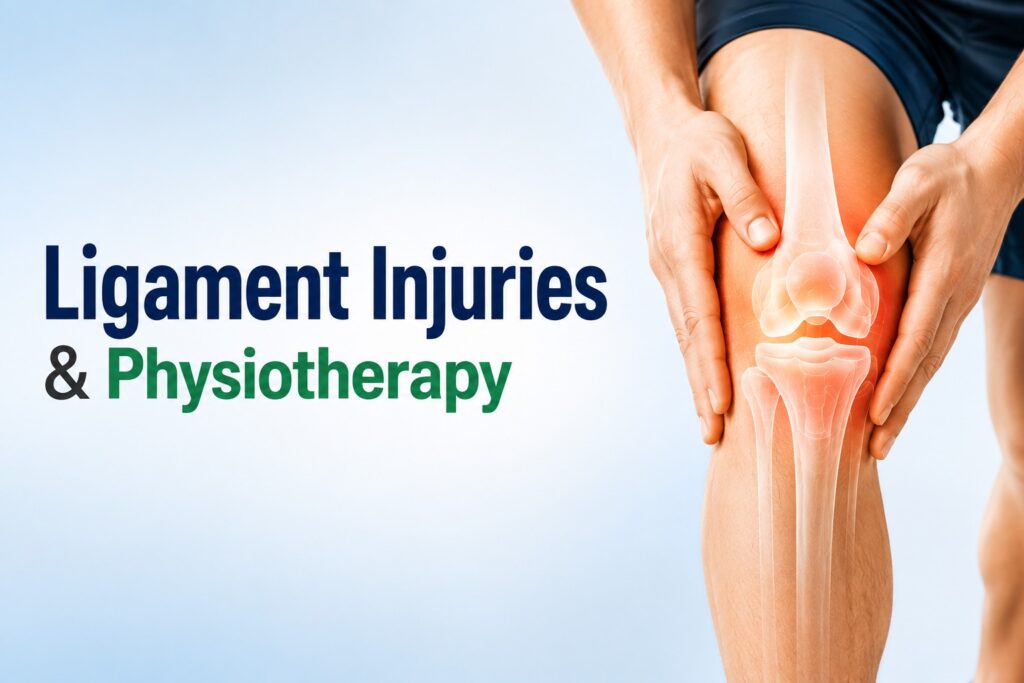
Facebook Twitter Youtube Instagram Ligament Injuries: Causes, Symptoms, Treatment & the Role of Physiotherapy Ligament injuries can happen during sports, workouts, sudden falls, or even an unexpected twist while walking. A damaged ligament may cause pain, swelling, stiffness, or a feeling that the joint is unstable. The good news is that physiotherapy plays an important role in ligament injury recovery. With the right treatment plan and gradual rehabilitation, many people can improve joint movement, strength, stability, and confidence. How the Monsoon Season Affects Your Skin The rainy season increases moisture in the air, causing your skin to produce more oil and sweat. This can clog pores, leading to acne and bacterial growth. Wet clothing and damp footwear also increase the risk of fungal infections. Without proper care, these conditions can affect your skin’s health and comfort. Key Takeaways Ligament injuries commonly occur due to sudden twisting, falls, or sports-related movements. Pain, swelling, restricted movement, and joint instability are common symptoms. Physiotherapy can help restore strength, flexibility, balance, and joint stability. Recovery depends on the ligament involved and the severity of the injury. Severe injuries may require further evaluation and, in some cases, surgery, rainy season increases moisture in the air, causing your skin to produce more oil and sweat. This can clog pores, leading to acne and bacterial growth. Wet clothing and damp footwear also increase the risk of fungal infections. What Is a Ligament Injury? Ligaments help hold bones together and keep joints stable during movement. When a ligament is stretched beyond its normal range or torn, it can result in an injury. Grade 1 – Mild Injury The ligament is overstretched but remains largely intact. Pain and swelling are usually mild. Grade 2 – Partial Tear Part of the ligament is torn, which can cause more noticeable pain, swelling, and joint instability. Grade 3 – Complete Tear The ligament is completely torn and may cause significant instability. Some Grade 3 injuries may require surgical treatment depending on the ligament and the individual’s condition. Common Causes of Ligament Injuries Ligament injuries can occur during everyday activities as well as high-impact sports. Common causes include: Sudden twisting of a joint Falls or awkward landings Sports such as football, basketball, cricket, or badminton Direct impact to a joint Sudden changes in direction Overstretching during exercise The knee and ankle are particularly vulnerable because they are frequently exposed to twisting and impact. Symptoms You Should Not Ignore A ligament injury may cause: Pain around the affected joint Swelling Bruising Stiffness Difficulty putting weight on the joint Reduced range of movement A popping sensation at the time of injury Feeling that the joint may give way If you experience significant pain or cannot use the affected joint normally after an injury, an orthopaedic evaluation is recommended. Protein supports muscle strength, which helps protect your joints. Choose: Eggs Fish Lean chicken Paneer Lentils Pulses How Does Physiotherapy Help Ligament Injury Recovery? Physiotherapy is an important part of rehabilitation for many ligament injuries. The treatment plan is adjusted according to the type and severity of the injury. 1. Reducing Pain and Swelling In the early stage, physiotherapy may focus on managing pain and swelling while protecting the injured ligament. 2. Restoring Joint Movement Gentle, guided exercises can help prevent excessive stiffness and gradually restore the joint’s range of motion. 3. Building Muscle Strength An injured joint may become weak because of reduced activity. Strengthening exercises help rebuild the muscles supporting the joint. 4. Improving Balance and Stability Balance and coordination exercises can help improve joint control and reduce the risk of future injuries. 5. Gradual Return to Activity Physiotherapy can help patients progress from basic movements to functional activities and, when appropriate, sports-specific exercises. Can Physiotherapy Prevent Another Ligament Injury? A structured rehabilitation program can help improve muscle strength, flexibility, balance, and movement patterns, which may reduce the risk of some future injuries. However, there is no guarantee that an injury will not happen again. Returning to sports or demanding physical activities should be based on recovery, functional assessment, and professional guidance rather than pain alone. When Is Surgery Considered? Not every ligament injury requires surgery. Treatment depends on factors such as: Which ligament is injured Whether the ligament is partially or completely torn Joint stability The person’s activity level Associated injuries Response to non-surgical treatment Some complete tears, particularly those associated with significant instability or other joint damage, may require surgical reconstruction. Physiotherapy is also important after surgery to support recovery and help restore strength and movement. How Long Does Ligament Injury Recovery Take? Recovery time varies considerably. A mild sprain may improve within a few weeks, while a significant tear or surgically treated injury can require several months of rehabilitation. Your recovery timeline depends on the severity of the injury, ligament involved, treatment approach, overall health, and rehabilitation progress. Tips for a Safer Recovery Follow your physiotherapist’s exercise plan. Avoid returning to sports too quickly. Increase activity gradually. Wear recommended support or braces when advised. Work on strength and balance as part of rehabilitation. Do not ignore persistent pain or instability. When Should You See an Orthopaedic Specialist? Seek medical evaluation if you have: Severe pain or swelling after an injury Difficulty walking or putting weight on the joint Significant joint instability Repeated episodes of the joint giving way Persistent pain despite rest and basic care A suspected ligament tear Symptoms that are not improving with rehabilitation Early assessment can help identify the injury and guide the right treatment and rehabilitation plan. Get Back to Movement with the Right Rehabilitation A ligament injury does not have to mean giving up your normal activities. With an accurate diagnosis, appropriate treatment, and a structured physiotherapy program, patients can work toward better strength, mobility, and joint stability. If you have a ligament injury or ongoing joint instability, consult an orthopaedic and physiotherapy team for an individualized recovery plan. Enquire now Table of Contents Ligament Injuries: Causes, Symptoms, Treatment & the
What Is a Hairline Fracture? Causes, Symptoms, and Treatment Options
What Is a Hairline Fracture? Causes, Symptoms, and Treatment Options Facebook Twitter Youtube Instagram Not all injuries show themselves right away. Sometimes, even without swelling or bruising, a nagging pain lingers, especially after repetitive movements or a recent increase in physical activity. You might brush it off as a minor sprain or overuse. But when the pain doesn’t go away, it’s worth considering a deeper cause. In many cases, this kind of ongoing discomfort turns out to be something like a hairline fracture. In this blog, we will explain what hairline fractures are, what causes them, how to recognize the symptoms of a hairline fracture, and what treatments are available for a smooth recovery. What is a Hairline Fracture? Hairline fractures are usually caused due to repetitive trauma or overuse. A hairline fracture is an extremely small fracture that, at first, might not be seen on an X-ray, including in early stages. Hairline fractures are most typically seen in sports where there are multiple repetitions or impacts on particular areas of the body, such as basketball, running, gymnastics and dance. Risk Factors for Hairline Fractures Certain risk factors increase your risk of developing hairline fractures: Gender: Women are at an increased risk for hairline fractures, especially if they have irregular menstrual cycles. Anatomical Concerns: Flat feet, high arches, or poor-quality shoes may potentially add extra stress to bones. Bone Health: Certain disease states, like osteoporosis, ultimately lead to weakened bones and an increased risk of fractures. History of Fractures: If someone had one hairline fracture in the past, it raises their risk of having additional hairline fractures in the future. Nutrition: A lack of calcium or vitamin D compromises bone strength, raising fracture risk. What are the Causes of Hairline fractures? Multiple things can lead to hairline fractures, which are as follows: 1. Repetitive Activity Participating in a high-impact sport or repeatedly running can place excessive stress on the same bones over and over, and lead to microfracture injury. 2. Sudden Increase in Activity Regularly living your normal lifestyle and suddenly beginning an aggressive exercise plan raises the chances of a fracture. 3. Improper Footwear Using old or improper shoes (especially with high-impact exercise) can put too much stress on your foot and ankle bones. 4. Poor Nutrition Not receiving enough calcium, vitamin D or calories makes them more prone to fractures. 5. Underlying Conditions Osteoporosis or other conditions that deteriorate bone health can make bones more brittle, causing them to break with even the smallest amount of stress. What are Hairline Fracture Symptoms? Hairline fracture symptoms can be subtle at first and progress over time. They can often look like other soft tissue injuries that will require a diagnosis. Watch for: Localized pain that intensifies through activity and diminishes with rest. Swelling or tenderness in the area of the injury. Some bruising. Difficulty bearing weight or completing certain movements. In the ankle or foot, observe a limp or an inability to walk comfortably. In the wrist or hand, notice weakness while gripping or lifting an object. Common Hairline Fracture Areas and How to Identify Them 1. Hairline Fracture in Foot Often called the metatarsal bones (top of the foot). Seen frequently with runners and athletes. Symptoms: Pain on the top or side of the foot, especially while walking Treatment: Rest, supportive shoes, or a walking boot 2. Hairline Fracture Ankle The level of injury often depends on a sudden twist or repeated use. High-risk groups are runners and basketball players. Symptoms: Sharp pain around the ankle joint, swelling Treatment: elevate, ice, and partially immobilize with a boot or splint 3. Hairline Fracture Leg It will often involve the tibia (shin bone), especially for long-distance runners or repeated jumpers. Symptoms: dull pain, especially with pressure Treatment: strict rest, anti-inflammatory medication, sometimes cast. 4. Hairline Fracture Knee Usually rare, it occurs in the patella (kneecap) or femur (thigh bone). Symptoms: restrictions in bending the knee, stiffness, pain with bending and walking Treatment: consequential support and physical therapy post-rest period. 5. Hairline Fracture Wrist Caused by an acute fall or constant use (e.g. weightlifting or typing). Symptoms: Pain when using the wrist or applying pressure Treatment: Displaced or non-displaced wrist splint or cast, and activity modification. 6. Hairline Fracture Hand Most commonly seen in athletes or fall hacks, it will usually involve the metacarpal bones. Symptoms: Pain when gripping or making a fist Treatment: Immobilization using a splint or short cast Diagnosis: Do You Need an X-ray? Hairline fractures may be hard to detect on initial X-rays, especially in the first week after the injury. If a fracture is suspected but unconfirmed, physicians might recommend the following imaging with the understanding that for most bone injuries it will likely take time for swelling or changes that may suggest healing or otherwise to be indicated: MRI scan: best for soft tissues and identifying fractures early Bone scan: will show changes in bone metabolism CT scan: for complicated or deep fractures So, if you have continued pain and are wondering if it’s a sprain, don’t disregard it. Hairline Fracture Treatment Options Are you anxious that your bothersome discomfort could be more than a sprain? If you have been told that you have a hairline fracture, you may be wondering, “Do I need a cast? Will this heal by itself? When will I feel back to normal?” Fortunately, most hairline fractures resolve quickly and with appropriate care. However, understanding what to do and not to do while you are recovering can be key. Below are safe and effective ways to treat a hairline fracture. The treatment of a hairline fracture starts with R.I.C.E., which means Rest, Ice, Compression, and Elevation to help minimize swelling and prevent further damage. Depending upon the location of the fracture, our specialists/ doctors may use splints, walking boots, and braces to immobilize the area. If the fracture is in the foot, ankle, or leg, crutches may be necessary to help keep all weight off the bone. Pain management is