

Ligament Injuries: Causes, Symptoms, Treatment & the Role of Physiotherapy
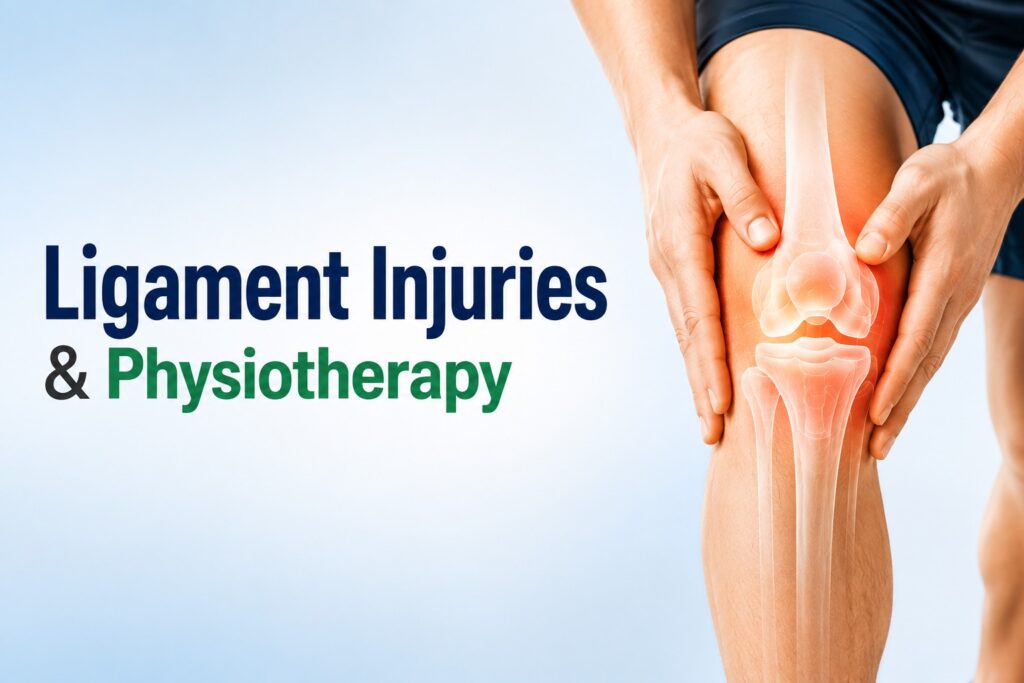
Facebook Twitter Youtube Instagram Ligament Injuries: Causes, Symptoms, Treatment & the Role of Physiotherapy Ligament injuries can happen during sports, workouts, sudden falls, or even an unexpected twist while walking. A damaged ligament may cause pain, swelling, stiffness, or a feeling that the joint is unstable. The good news is that physiotherapy plays an important role in ligament injury recovery. With the right treatment plan and gradual rehabilitation, many people can improve joint movement, strength, stability, and confidence. How the Monsoon Season Affects Your Skin The rainy season increases moisture in the air, causing your skin to produce more oil and sweat. This can clog pores, leading to acne and bacterial growth. Wet clothing and damp footwear also increase the risk of fungal infections. Without proper care, these conditions can affect your skin’s health and comfort. Key Takeaways Ligament injuries commonly occur due to sudden twisting, falls, or sports-related movements. Pain, swelling, restricted movement, and joint instability are common symptoms. Physiotherapy can help restore strength, flexibility, balance, and joint stability. Recovery depends on the ligament involved and the severity of the injury. Severe injuries may require further evaluation and, in some cases, surgery, rainy season increases moisture in the air, causing your skin to produce more oil and sweat. This can clog pores, leading to acne and bacterial growth. Wet clothing and damp footwear also increase the risk of fungal infections. What Is a Ligament Injury? Ligaments help hold bones together and keep joints stable during movement. When a ligament is stretched beyond its normal range or torn, it can result in an injury. Grade 1 – Mild Injury The ligament is overstretched but remains largely intact. Pain and swelling are usually mild. Grade 2 – Partial Tear Part of the ligament is torn, which can cause more noticeable pain, swelling, and joint instability. Grade 3 – Complete Tear The ligament is completely torn and may cause significant instability. Some Grade 3 injuries may require surgical treatment depending on the ligament and the individual’s condition. Common Causes of Ligament Injuries Ligament injuries can occur during everyday activities as well as high-impact sports. Common causes include: Sudden twisting of a joint Falls or awkward landings Sports such as football, basketball, cricket, or badminton Direct impact to a joint Sudden changes in direction Overstretching during exercise The knee and ankle are particularly vulnerable because they are frequently exposed to twisting and impact. Symptoms You Should Not Ignore A ligament injury may cause: Pain around the affected joint Swelling Bruising Stiffness Difficulty putting weight on the joint Reduced range of movement A popping sensation at the time of injury Feeling that the joint may give way If you experience significant pain or cannot use the affected joint normally after an injury, an orthopaedic evaluation is recommended. Protein supports muscle strength, which helps protect your joints. Choose: Eggs Fish Lean chicken Paneer Lentils Pulses How Does Physiotherapy Help Ligament Injury Recovery? Physiotherapy is an important part of rehabilitation for many ligament injuries. The treatment plan is adjusted according to the type and severity of the injury. 1. Reducing Pain and Swelling In the early stage, physiotherapy may focus on managing pain and swelling while protecting the injured ligament. 2. Restoring Joint Movement Gentle, guided exercises can help prevent excessive stiffness and gradually restore the joint’s range of motion. 3. Building Muscle Strength An injured joint may become weak because of reduced activity. Strengthening exercises help rebuild the muscles supporting the joint. 4. Improving Balance and Stability Balance and coordination exercises can help improve joint control and reduce the risk of future injuries. 5. Gradual Return to Activity Physiotherapy can help patients progress from basic movements to functional activities and, when appropriate, sports-specific exercises. Can Physiotherapy Prevent Another Ligament Injury? A structured rehabilitation program can help improve muscle strength, flexibility, balance, and movement patterns, which may reduce the risk of some future injuries. However, there is no guarantee that an injury will not happen again. Returning to sports or demanding physical activities should be based on recovery, functional assessment, and professional guidance rather than pain alone. When Is Surgery Considered? Not every ligament injury requires surgery. Treatment depends on factors such as: Which ligament is injured Whether the ligament is partially or completely torn Joint stability The person’s activity level Associated injuries Response to non-surgical treatment Some complete tears, particularly those associated with significant instability or other joint damage, may require surgical reconstruction. Physiotherapy is also important after surgery to support recovery and help restore strength and movement. How Long Does Ligament Injury Recovery Take? Recovery time varies considerably. A mild sprain may improve within a few weeks, while a significant tear or surgically treated injury can require several months of rehabilitation. Your recovery timeline depends on the severity of the injury, ligament involved, treatment approach, overall health, and rehabilitation progress. Tips for a Safer Recovery Follow your physiotherapist’s exercise plan. Avoid returning to sports too quickly. Increase activity gradually. Wear recommended support or braces when advised. Work on strength and balance as part of rehabilitation. Do not ignore persistent pain or instability. When Should You See an Orthopaedic Specialist? Seek medical evaluation if you have: Severe pain or swelling after an injury Difficulty walking or putting weight on the joint Significant joint instability Repeated episodes of the joint giving way Persistent pain despite rest and basic care A suspected ligament tear Symptoms that are not improving with rehabilitation Early assessment can help identify the injury and guide the right treatment and rehabilitation plan. Get Back to Movement with the Right Rehabilitation A ligament injury does not have to mean giving up your normal activities. With an accurate diagnosis, appropriate treatment, and a structured physiotherapy program, patients can work toward better strength, mobility, and joint stability. If you have a ligament injury or ongoing joint instability, consult an orthopaedic and physiotherapy team for an individualized recovery plan. Enquire now Table of Contents Ligament Injuries: Causes, Symptoms, Treatment & the
Why Physiotherapy for Post-Surgery Recovery is Crucial?
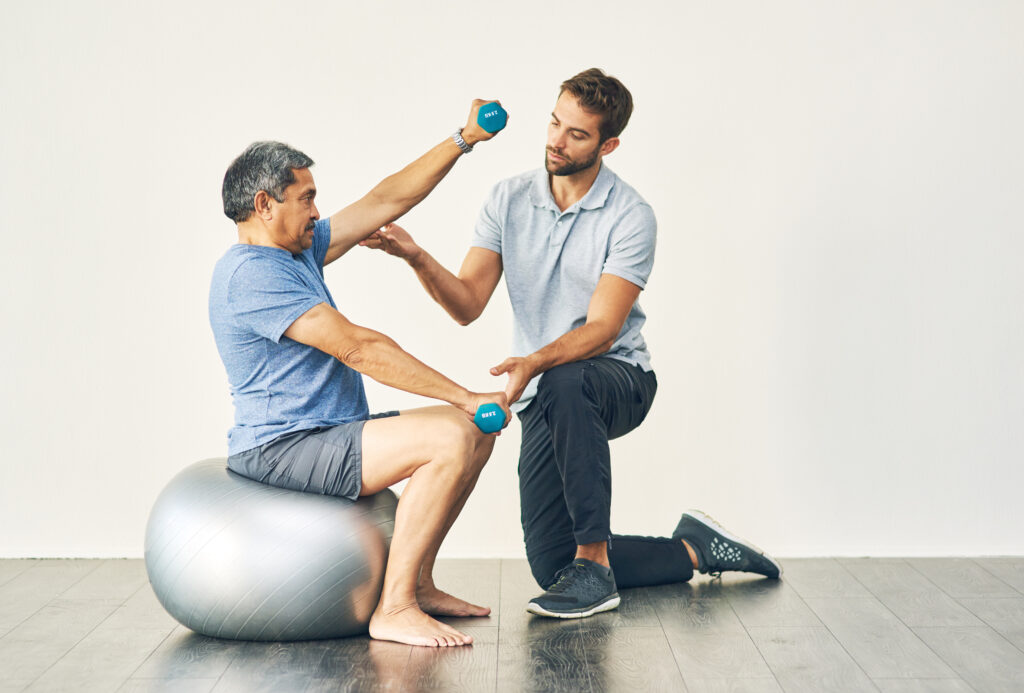
Why Physiotherapy for Post-Surgery Recovery is Crucial? Facebook Twitter Youtube Instagram Physiotherapy after surgery is crucial to bring a patient back on track and enable you to come back to routine pain-free and stronger. It helps patients to restore their strength, flexibility, and mobility. It’s important to understand that post-operative physiotherapy is not a quick fix; it often requires several months of dedicated treatment. After your surgery, a thorough evaluation by your physiotherapist will help them understand your unique needs and challenges and create a tailored plan for you. What is physiotherapy? Physiotherapy treatment aims at improving physical movement, addresses the illnesses or injuries that limit a person’s ability to move, and enables the patients to perform functional activities in their daily lives. Why should you choose physiotherapy for post-surgery recovery? Improved mobility Exercising after the surgery is important as it is the key to restoring your motion and movement in the operated area. Physiotherapy exercises help prevent stiffness and contractures, thus giving you the freedom to be on your own again. Pain management Post surgery you may experience pain and it stays for some time until complete recovery is made. Physiotherapists use techniques to alleviate your pain with targeted exercises and other cold or heat therapies as needed. Muscle strengthening: Post operative physiotherapy treatment focuses on specific strengthening exercises that aim to rebuild the muscle strength and function around the operated part. Balance and coordination improvement: Physiotherapy for post surgery addresses any imbalances or coordination issues caused by surgery. With dedicated exercises for the affected area, it can work wonders and shorten the recovery period. Reduces development of secondary issues Physiotherapy can prevent the formation of blood clots, stiffness, contracture, and other complications that can occur after surgery. A physiotherapist’s customized routines according to your condition, can help lower the danger of blood clots. You may be interested to know – Hairline Fracture Common injuries that require physiotherapy treatment Sports Injuries Sports injuries are quite common and can happen to people of all age groups and in both contact and non-contact sports. They range from mild sprains to ACL surgeries. Sprained ankles: This affects the ligaments in the ankle, often resulting from twisting or turning suddenly. Tennis elbow: This is seen commonly due to overuse, causing pain in the elbow and forearm. Rotator cuff injuries: In this, the damage occurs in the muscles and tendons around the shoulder, commonly seen in throwing sports. Soft Tissue Injuries Soft tissue injuries affect muscles, tendons, and ligaments, and often happen from everyday activities or sports. The cause can lie in sudden trauma, repetitive movements, or overuse. Common examples include: Strains: When muscles or tendons are overstretched or torn. Tendinitis: Inflammation of the tendons, often caused by repetitive movements, sudden pressure or incorrect exercises. Bursitis: Inflammation in the fluid-filled sacs that cushion the joints occurring due to strain and sometimes also because of increased body weight. For soft tissue injuries, physical therapy focuses on reducing pain, increasing flexibility, increasing range of motion, and rebuilding strength. Physiotherapy for post surgery recovery includes manual therapy, stretching exercises, and strengthening exercises. Sprains and Tears The most common example of this is the sprained ankle. Sprains occur when ligaments are overstretched or torn due to sudden twisting or jarring force. While tears on the other hand occur due to partial or complete rupture of tendons, muscles, or ligaments due to overstretching. Generally, physiotherapy treatment can include joint mobilization, therapeutic exercises, and functional training to help you get back to your normal activities. Advantages of post operative physiotherapy treatment Post operative physiotherapy treatment plays a vital role in the patient’s life facilitating their recovery and minimizing the discomfort. Faster Recovery Time With post operative physiotherapy your recovery time can be reduced significantly. The exercises after the surgery help in enhanced blood flow, reduced inflammation, and strong muscles. According to research in the Journal of Orthopaedic Surgery and Research, patients who underwent physiotherapy after having a knee replacement recovered much quicker than those who did not. Reduced Risk of Complications and Re-Injury Physiotherapy reduces the risk of complications and re-injury. Post-surgery, it is important to get back to an active lifestyle. To do that, dedicated exercises are important to reduce muscle weakness, which increases the possibility of falls and other accidents. Post operative physiotherapy treatment can help strengthen muscles, improve the patient’s balance and coordination, and lower the likelihood of accidents and re-injury. Improved Functional Ability and Quality of Life The functional capacity of a patient, as well as their quality of life, can both be considerably enhanced by physiotherapy. Post surgery physiotherapy treatment can improve the functional capacity of a patient and get them back on their feet stronger. Surgeries hamper the daily activities of the patient but post operative physiotherapy treatment can give them independence and the ability to re-engage in their daily routine. Expert Physiotherapy Treatment at MJ Naidu Hospital With a legacy of 38 years of excellence, MJ Naidu Hospital combines traditional physiotherapy techniques with modern innovations and ensures every patient receives personalized care. Whether you are recovering from soft tissue injuries, sprains, tears, or sports-related issues, MJ Naidu Hospital’s skilled physiotherapists are there to guide you through comprehensive physiotherapy for the post surgery process. Schedule your appointment today. Table of Contents What is physiotherapy? Post-surgery recovery Common injuries that require physiotherapy treatment Advantages of post operative physiotherapy treatment Faster Recovery Time Reduced Risk of Complications and Re-Injury Improved Functional Ability Expert Physiotherapy Treatment MJNaidu hospital latest Updates delivered straight to your inbox Follow Us You have been successfully Subscribed! Ops! Something went wrong, please try again.