

Gym Injuries: 7 Common Orthopaedic Problems and How to Prevent Them

Facebook Twitter Youtube Instagram Gym Injuries: 7 Common Orthopaedic Problems and How to Prevent Them Going to the gym is a great way to build strength and stay active, but incorrect technique, sudden increases in workout intensity, or inadequate recovery can sometimes lead to gym injuries. Knowing the common problems and how to prevent them can help you exercise safely. 7 Common Gym Injuries 1. Muscle Strains Lifting weights that are too heavy or using poor technique can overstretch or tear muscles, commonly affecting the back, shoulders and legs. 2. Knee Injuries Squats, lunges and other exercises can put stress on the knee when performed incorrectly. Knee injuries may include ligament or cartilage problems. 3. Shoulder Injuries Overhead presses, bench presses and repetitive movements can contribute to shoulder pain or tendon injuries. 4. Lower Back Pain Poor lifting posture, excessive weights and weak core muscles can place additional stress on the lower back. 5. Tendinitis Repeated movements can irritate a tendon and cause pain, stiffness or tenderness around joints such as the shoulder, elbow or knee. 6. Ankle Sprains Improper landing, sudden changes in direction or losing balance during exercise can cause an ankle sprain. 7. Meniscus Injuries Twisting the knee while lifting or exercising can sometimes injure the meniscus, which helps absorb shock within the knee joint. How Can You Prevent Gym Injuries? A few simple habits can make your workouts safer: Warm up before exercising and cool down afterwards. Start with manageable weights and increase intensity gradually. Focus on proper exercise technique rather than lifting heavier weights. Give your body enough time to recover between demanding workouts, especially when training the same muscle groups. Wear appropriate, comfortable footwear. Stop or modify an exercise if you experience sharp or persistent pain. Include strength, flexibility and movement training as part of your routine. For certain sports-related injuries, structured neuromuscular training can also help improve strength, balance and movement control. When Should You See an Orthopaedic Specialist? Do not ignore pain that is severe, persistent, associated with significant swelling, causes difficulty walking, or keeps getting worse. An orthopaedic specialist can assess the problem and recommend treatment based on the underlying cause. Train Smart, Stay Strong Regular exercise can support your overall health, but proper technique, gradual progression and adequate recovery are important for reducing the risk of gym injuries. Experiencing persistent pain after a workout? Consult the orthopaedic specialists at MJ Naidu Super Speciality Hospital for an appropriate evaluation and treatment plan. Enquire now Table of Contents Gym Injuries: 7 Common Orthopaedic Problems and How to Prevent Them 7 Common Gym Injuries How Can You Prevent Gym Injuries? When Should You See an Orthopaedic Specialist? MJNaidu hospital latest Updates delivered straight to your inbox Follow Us You have been successfully Subscribed! Ops! Something went wrong, please try again.
Robotic Physiotherapy: The Future of Recovery and Rehabilitation
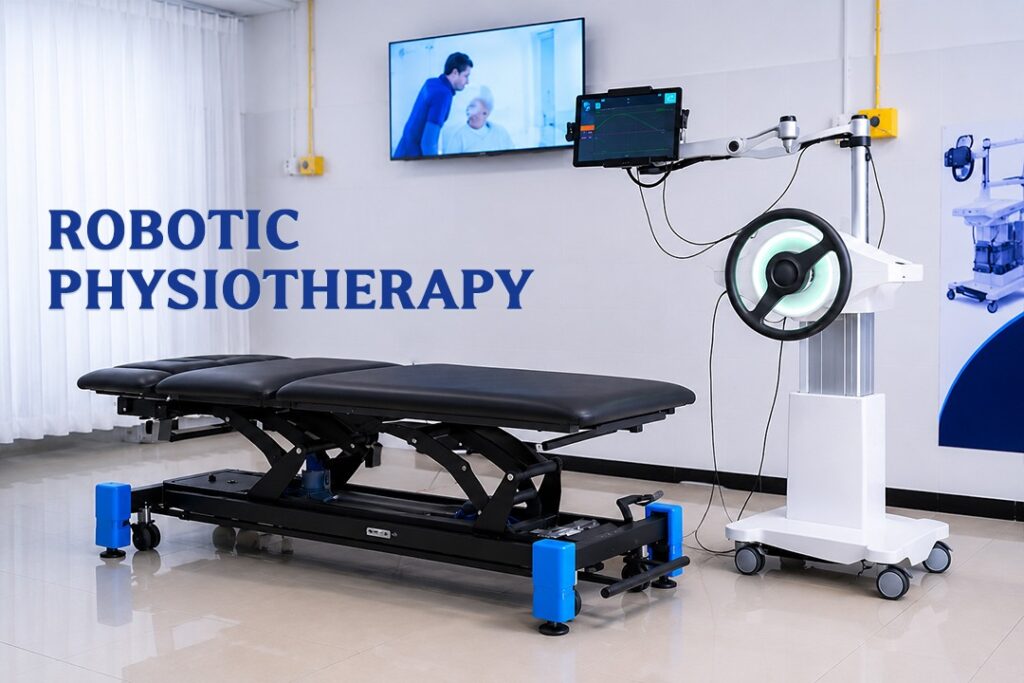
Facebook Twitter Youtube Instagram Robotic Physiotherapy: The Future of Recovery and Rehabilitation Recovery after surgery, injury, or neurological conditions often depends on effective rehabilitation and physiotherapy support. With advancements in healthcare technology, robotic physiotherapy is changing the way patients recover by improving precision, movement training, and overall rehabilitation outcomes. Today, many hospitals and rehabilitation centers are adopting robotic-assisted therapy to help patients regain strength, mobility, and independence faster and more effectively. What is Robotic Physiotherapy? Robotic physiotherapy is an advanced rehabilitation method that uses robotic devices and intelligent technology to assist patients during physical therapy sessions. These systems are designed to support movement training, improve muscle coordination, and help patients perform repetitive exercises with better accuracy. Unlike traditional physiotherapy alone, robotic-assisted rehabilitation provides consistent motion guidance and real-time feedback during therapy. Why Robotic Physiotherapy is Becoming Popular Modern rehabilitation focuses not only on recovery but also on improving long-term mobility and quality of life. Robotic physiotherapy helps by: Enhancing movement precision Supporting faster recovery after surgery Improving muscle strength and coordination Reducing physical strain during therapy sessions Providing personalized rehabilitation programs This technology is especially useful for patients who require intensive rehabilitation after major surgeries or neurological conditions. Conditions Treated with Robotic Physiotherapy Robotic rehabilitation can benefit patients recovering from various conditions, including: Orthopedic Recovery Knee replacement surgery Hip replacement surgery Sports injuries Fractures and ligament injuries Neurological Rehabilitation Stroke recovery Parkinson’s disease Spinal cord injuries Paralysis-related mobility issues Post-Surgical Rehabilitation Patients recovering after major surgeries often require guided rehabilitation to restore normal movement and strength. How Robotic Physiotherapy Works Robotic rehabilitation systems use sensors, motion tracking, and computer-guided technology to assist patients during exercises. The system monitors movement patterns and helps patients perform controlled exercises safely and effectively. Some advanced systems also provide: Real-time performance monitoring Customized exercise intensity Gait and balance training Interactive recovery programs This combination of technology and physiotherapy improves patient engagement and treatment accuracy. Benefits of Robotic Physiotherapy ✅ Improved Recovery Speed Structured movement training helps patients recover mobility more efficiently. ✅ Better Accuracy in Rehabilitation Robotic systems guide movements with precision, reducing incorrect exercise patterns. ✅ Enhanced Muscle Coordination Repeated controlled exercises help improve strength and balance. ✅ Personalized Therapy Programs Therapy sessions can be adjusted based on the patient’s condition and progress. ✅ Higher Patient Motivation Interactive rehabilitation systems often improve patient participation and confidence. Robotic Physiotherapy After Knee Replacement One of the most common uses of robotic physiotherapy for recovery is after joint replacement surgery. Patients recovering from knee replacement often benefit from: Improved walking ability Better joint flexibility Faster muscle strengthening Reduced stiffness This helps patients return to normal daily activities more comfortably. Who Can Benefit from Robotic Rehabilitation? Robotic physiotherapy may be suitable for: Elderly patients with mobility issues Post-surgical patients Stroke rehabilitation patients Athletes recovering from injuries Patients with neurological disorders A physiotherapy specialist can determine the most suitable rehabilitation plan based on the patient’s condition. The Future of Rehabilitation Technology The integration of robotics and physiotherapy is transforming modern healthcare. As technology continues to advance, rehabilitation is becoming: More precise More patient-focused More effective for long-term recovery The future of physiotherapy is expected to combine robotics, artificial intelligence, and real-time monitoring to deliver better rehabilitation outcomes. Final Thoughts Robotic physiotherapy is redefining recovery and rehabilitation by combining advanced technology with personalized patient care. From orthopedic recovery to neurological rehabilitation, robotic-assisted therapy offers improved accuracy, better mobility training, and enhanced recovery experiences. For patients looking for advanced rehabilitation solutions, robotic physiotherapy represents the future of modern recovery care. Enquire now Table of Contents What is Knee Osteoarthritis? What is PRP for Knee Osteoarthritis? How PRP Helps in Knee Cartilage Damage Benefits of PRP for Knee Osteoarthritis PRP Procedure: Step-by-Step Recovery After PRP Injection Who is Eligible for PRP Injection? PRP Injection vs Conventional Treatments Is PRP Injection Safe? MJNaidu hospital latest Updates delivered straight to your inbox Follow Us You have been successfully Subscribed! Ops! Something went wrong, please try again.