

What Is a Hairline Fracture? Causes, Symptoms, and Treatment Options
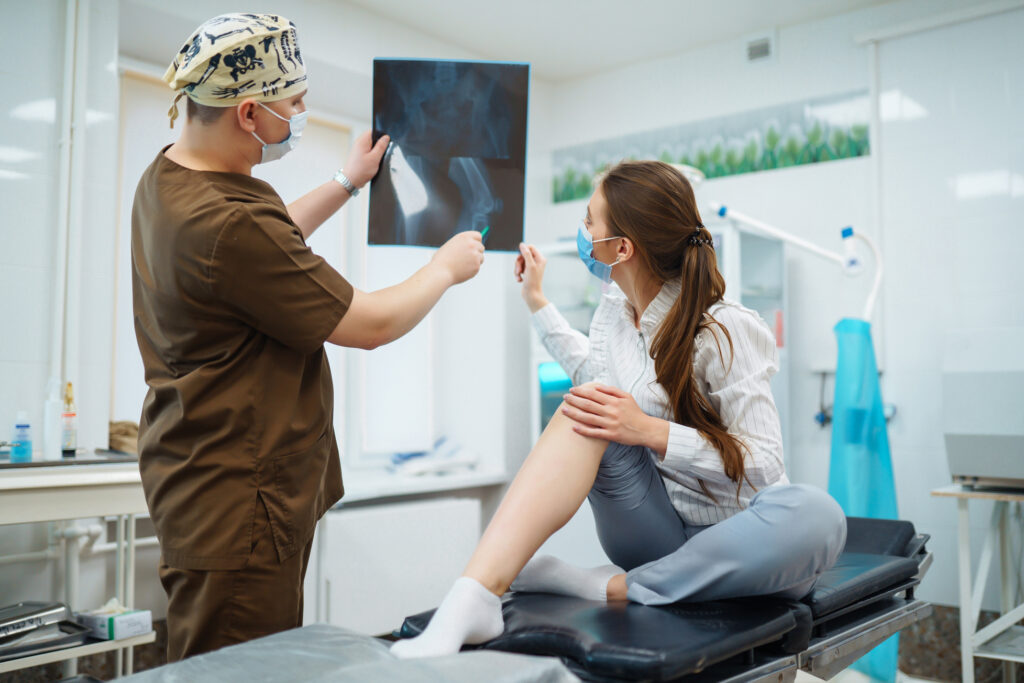
What Is a Hairline Fracture? Causes, Symptoms, and Treatment Options Facebook Twitter Youtube Instagram Not all injuries show themselves right away. Sometimes, even without swelling or bruising, a nagging pain lingers, especially after repetitive movements or a recent increase in physical activity. You might brush it off as a minor sprain or overuse. But when the pain doesn’t go away, it’s worth considering a deeper cause. In many cases, this kind of ongoing discomfort turns out to be something like a hairline fracture. In this blog, we will explain what hairline fractures are, what causes them, how to recognize the symptoms of a hairline fracture, and what treatments are available for a smooth recovery. What is a Hairline Fracture? Hairline fractures are usually caused due to repetitive trauma or overuse. A hairline fracture is an extremely small fracture that, at first, might not be seen on an X-ray, including in early stages. Hairline fractures are most typically seen in sports where there are multiple repetitions or impacts on particular areas of the body, such as basketball, running, gymnastics and dance. Risk Factors for Hairline Fractures Certain risk factors increase your risk of developing hairline fractures: Gender: Women are at an increased risk for hairline fractures, especially if they have irregular menstrual cycles. Anatomical Concerns: Flat feet, high arches, or poor-quality shoes may potentially add extra stress to bones. Bone Health: Certain disease states, like osteoporosis, ultimately lead to weakened bones and an increased risk of fractures. History of Fractures: If someone had one hairline fracture in the past, it raises their risk of having additional hairline fractures in the future. Nutrition: A lack of calcium or vitamin D compromises bone strength, raising fracture risk. What are the Causes of Hairline fractures? Multiple things can lead to hairline fractures, which are as follows: 1. Repetitive Activity Participating in a high-impact sport or repeatedly running can place excessive stress on the same bones over and over, and lead to microfracture injury. 2. Sudden Increase in Activity Regularly living your normal lifestyle and suddenly beginning an aggressive exercise plan raises the chances of a fracture. 3. Improper Footwear Using old or improper shoes (especially with high-impact exercise) can put too much stress on your foot and ankle bones. 4. Poor Nutrition Not receiving enough calcium, vitamin D or calories makes them more prone to fractures. 5. Underlying Conditions Osteoporosis or other conditions that deteriorate bone health can make bones more brittle, causing them to break with even the smallest amount of stress. What are Hairline Fracture Symptoms? Hairline fracture symptoms can be subtle at first and progress over time. They can often look like other soft tissue injuries that will require a diagnosis. Watch for: Localized pain that intensifies through activity and diminishes with rest. Swelling or tenderness in the area of the injury. Some bruising. Difficulty bearing weight or completing certain movements. In the ankle or foot, observe a limp or an inability to walk comfortably. In the wrist or hand, notice weakness while gripping or lifting an object. Common Hairline Fracture Areas and How to Identify Them 1. Hairline Fracture in Foot Often called the metatarsal bones (top of the foot). Seen frequently with runners and athletes. Symptoms: Pain on the top or side of the foot, especially while walking Treatment: Rest, supportive shoes, or a walking boot 2. Hairline Fracture Ankle The level of injury often depends on a sudden twist or repeated use. High-risk groups are runners and basketball players. Symptoms: Sharp pain around the ankle joint, swelling Treatment: elevate, ice, and partially immobilize with a boot or splint 3. Hairline Fracture Leg It will often involve the tibia (shin bone), especially for long-distance runners or repeated jumpers. Symptoms: dull pain, especially with pressure Treatment: strict rest, anti-inflammatory medication, sometimes cast. 4. Hairline Fracture Knee Usually rare, it occurs in the patella (kneecap) or femur (thigh bone). Symptoms: restrictions in bending the knee, stiffness, pain with bending and walking Treatment: consequential support and physical therapy post-rest period. 5. Hairline Fracture Wrist Caused by an acute fall or constant use (e.g. weightlifting or typing). Symptoms: Pain when using the wrist or applying pressure Treatment: Displaced or non-displaced wrist splint or cast, and activity modification. 6. Hairline Fracture Hand Most commonly seen in athletes or fall hacks, it will usually involve the metacarpal bones. Symptoms: Pain when gripping or making a fist Treatment: Immobilization using a splint or short cast Diagnosis: Do You Need an X-ray? Hairline fractures may be hard to detect on initial X-rays, especially in the first week after the injury. If a fracture is suspected but unconfirmed, physicians might recommend the following imaging with the understanding that for most bone injuries it will likely take time for swelling or changes that may suggest healing or otherwise to be indicated: MRI scan: best for soft tissues and identifying fractures early Bone scan: will show changes in bone metabolism CT scan: for complicated or deep fractures So, if you have continued pain and are wondering if it’s a sprain, don’t disregard it. Hairline Fracture Treatment Options Are you anxious that your bothersome discomfort could be more than a sprain? If you have been told that you have a hairline fracture, you may be wondering, “Do I need a cast? Will this heal by itself? When will I feel back to normal?” Fortunately, most hairline fractures resolve quickly and with appropriate care. However, understanding what to do and not to do while you are recovering can be key. Below are safe and effective ways to treat a hairline fracture. The treatment of a hairline fracture starts with R.I.C.E., which means Rest, Ice, Compression, and Elevation to help minimize swelling and prevent further damage. Depending upon the location of the fracture, our specialists/ doctors may use splints, walking boots, and braces to immobilize the area. If the fracture is in the foot, ankle, or leg, crutches may be necessary to help keep all weight off the bone. Pain management is
Signs a Broken Bone Is Not Healing: What You Need to Know
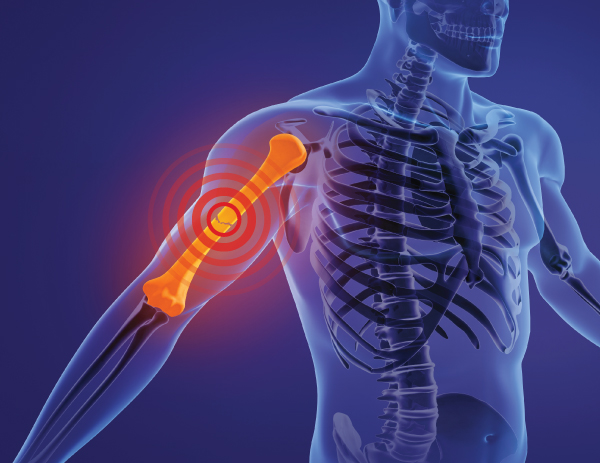
Signs a Broken Bone Is Not Healing: What You Need to Know Facebook Twitter Youtube Instagram Worried about whether your broken bone is healing properly or not? If there is a delay in healing, then there could be a complication that may require medical attention. Knowing what symptoms to look for and how bone heals can help you determine if you need to take action to ensure a smoother recovery. Read the blog for the symptoms, stages of healing, and what to do if your bone is not healing to expectation. Understanding the 5 Stages of Bone Healing Let’s explain the 5 stages of bone healing so that you are aware of what is happening underneath that cast: Hematoma Formation (Days 1 – 7): Immediately following the fracture, blood pools at the fracture site, where a clot forms and begins the repair process. Inflammatory Stage (Week 1 – 2): Your body sends immune cells to the area to clean up debris and fight infection. This stage can be painful and swollen, but it indicates that your body is actively engaging with the process. Soft Callus Formation (Weeks 2 – 3): Blood starts forming a soft callus to heal around the fracture site. Hard Callus Formation (Weeks 4 – 8): That soft callus hardens into bone. Most individuals typically continue to wear a cast throughout this stage. Bone Remodeling (Months to years): Bone continues to slowly reshape, and get stronger as time passes. This process can occur over several months. Common Symptoms of Broken Bone Healing The time frame for healing can vary by age, bone type, and health status. Each stage of healing has some symptoms: Pain in broken bone regions decreases over time Very mild swelling or bruising at the injury site in the early stages Slight tingling or stiffness for some time after the broken bone has been immobilized for an extended time If you are noticing these signs and they are getting better, it means your body is healing properly. Signs a Broken Bone Is Not Healing Now, let’s get to the red flags. Here are the signs a broken bone is not healing properly: 1. Pain persists beyond the expected time frame There may be some mild discomfort associated with the healing bone and surrounding tissue, however, sharp or increasing pain present two to four weeks following the injury may suggest a problem exists. 2. Swelling does not reduce Swelling during your recovery may have some normal range, however, if swelling is sustained for more than two weeks (especially if warmth or redness is present) your bone may be at risk for malunion, delayed union, or nonunion where infection is present. 3. Abnormal movement at the fracture line If the fractured bone(s) feel unstable or have abnormal movement at the fracture line after completing weeks of treatment, it may indicate that the bone has not healed correctly. 4. Numbness or tingling You may be experiencing changes in sensation as part of your risk of nerve involvement. While it’s not necessarily related to the healing of the bone, it is something you should never ignore. 5. Loss of functional recovery Upon removal of your cast, you should begin to slowly experience functional return of strength and more range of motion. If you feel like you are stuck in recovery with no physical improvements, it may be the case that your bone is not healing properly. Do Broken Bones Heal Back to Normal? A common question is: Do fractured bones heal back to the normal path? In most cases, yes. fractured bones can heal back to their normal form with proper care. However, there are many variables involved: Age: Older adults fracture bones and heal slower. Type of bone: Weight-bearing bones (like the femur) can take longer because they are pressure-sensitive. Smoking or diabetes: Any smoker or diabetic can experience a healing delay. Poor immobilization: Moving the bone before its time can disturb the healing. You may be interested to know – Hairline Fracture What to Do If You Notice Signs a Broken Bone Is Not Healing? If you notice any symptoms that your broken bone is not healing, don’t ignore them. Pain that persists, swelling that lasts, and lack of bone healing can all be indications of a red flag. These symptoms could indicate that your bone is healing too slowly (or maybe not at all). Understanding the 5 stages of bone healing will help you track your healing. If you are not seeing improvement in broken bone healing symptoms, it’s time to take action. Here is what to do: 1. Consult Your Physician Do not guess! If something seems wrong, check with your doctor. They may send you for new X-rays or other tests to check the way your bone is healing. 2. Avoid Stressing the Bone Do not jump back to doing normal activities simply because the pain decreased. It is easy to stress your bone putting weight on it too soon, which can delay or even stop healing. 3. Enquire About Stimulation Some physicians use equipment to stimulate bone to heal such as low-level ultrasound or electric stimulation. 4. Consider Surgery In far fewer cases, a physician may consider surgery or a bone graph to fix the problem and help healing begin. Be aware, be vigilant, check your broken bone healing symptoms and also understand the 5 stages of bone healing to fully recover and heal safely.</span Trust the Experts in Bone Healing At MJ Naidu Super Specialty Hospital we recognize the importance of an appropriate diagnosis and prompt treatment for orthopedic care. With 38+ years of legacy, a team of celebrated orthopedic surgeons, and state-of-the-art services such as 24/7 trauma care, diagnostics, ICU, and operation theaters, we are dedicated to attaining patient-centric care through the combination of compassion and technology. Whether you are coping with fractures, joint problems, or complex bone pathologies, we are here for you. Enquire now Table of Contents Understanding the 5 Stages of Bone Healing Common Symptoms