

ACL Injury: Symptoms, Causes, Treatment & Recovery Guide
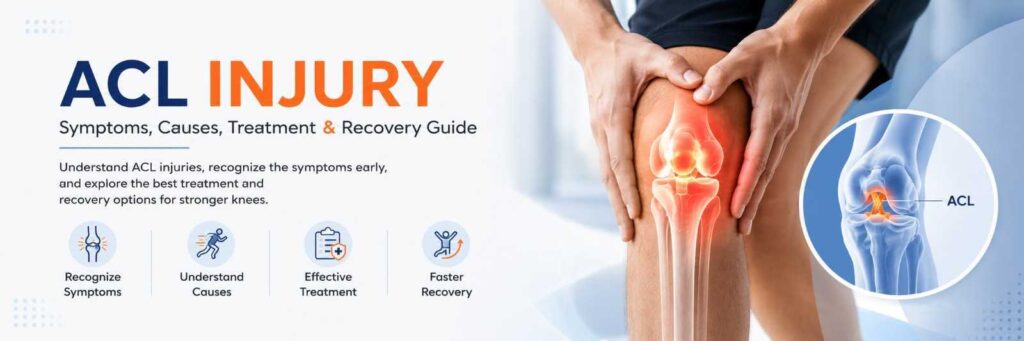
Facebook Twitter Youtube Instagram ACL Injury: Symptoms, Causes, Treatment & Recovery Guide Obesity is often associated with conditions such as diabetes, high blood pressure, and heart diseas ACL (Anterior Cruciate Ligament) injuries are among the most common knee injuries, especially in athletes and physically active individuals. Whether you enjoy football, cricket, badminton, basketball, or recreational fitness activities, an ACL injury can significantly affect your mobility and daily life. An ACL tear can happen suddenly during sports or routine activities involving twisting, jumping, or sudden changes in direction. Early diagnosis and appropriate treatment are essential for restoring knee stability and preventing long-term complications. This guide explains the symptoms, causes, treatment options, and recovery process for ACL injuries. What Is an ACL Injury? The Anterior Cruciate Ligament (ACL) is one of the key ligaments that supports and stabilizes the knee joint. It connects the thigh bone to the shin bone and helps the knee move safely during activities like walking, running, jumping, and turning. When the ACL is stretched or torn, the knee can become unstable, making everyday movements and sports activities difficult. An ACL injury occurs when this ligament is stretched or torn due to excessive force or sudden movement. ACL injuries are classified into three grades: Grade 1 The ligament is slightly stretched but remains intact. Knee stability is generally maintained. Grade 2 The ligament is partially torn, resulting in pain and mild instability. Grade 3 The ligament is completely torn, causing significant knee instability and difficulty performing daily or sports activities. What Causes an ACL Injury? ACL injuries usually occur without direct contact. The most common causes include: Sudden twisting or pivoting movements Landing awkwardly after a jump Sudden stops while running Changing direction quickly Direct impact to the knee during sports Weak muscles around the knee Poor landing technique Sports commonly associated with ACL injuries include football, basketball, volleyball, badminton, kabaddi, and skiing. Common Symptoms of an ACL Injury Symptoms usually appear immediately after the injury. Common warning signs include: A loud “pop” sound at the time of injury Sudden and severe knee pain Rapid swelling within a few hours Difficulty bearing weight Knee instability or “giving way” Limited range of motion Difficulty walking If these symptoms occur, consult an orthopedic specialist as soon as possible. Who Is at Higher Risk? Although anyone can experience an ACL injury, the risk is higher among: Athletes involved in jumping or pivoting sports Individuals with previous knee injuries People returning to sports after a long break Those with poor muscle strength or balance Women athletes, due to anatomical and hormonal differences How Is an ACL Injury Diagnosed? Early diagnosis of an ACL injury allows orthopedic specialists to assess the severity of the damage and recommend the most suitable treatment for recovery. An orthopedic specialist may recommend: Physical Examination The doctor checks knee stability, swelling, and range of motion. MRI Scan MRI provides detailed images of the ACL and other soft tissues, helping confirm partial or complete tears. X-rays Although X-rays do not show ligaments, they help rule out fractures or associated bone injuries. Treatment Options for ACL Injuries Treatment depends on the severity of the injury, activity level, and individual goals. Non-Surgical Treatment Non-surgical management may be suitable for patients with minor or partial ACL injuries. It may include: Rest and activity modification Ice therapy Compression and elevation Knee braces Physiotherapy Strengthening exercises Rehabilitation focuses on restoring knee strength, stability, and function. Treatment Options for ACL Injuries Treatment depends on the severity of the injury, activity level, and individual goals. Non-Surgical Treatment Non-surgical management may be suitable for patients with minor or partial ACL injuries. It may include: Rest and activity modification Ice therapy Compression and elevation Knee braces Physiotherapy Strengthening exercises Rehabilitation focuses on restoring knee strength, stability, and function. ACL Reconstruction Surgery Surgery is generally recommended for: Complete ACL tears Active individuals wishing to return to sports Persistent knee instability Combined ligament or meniscus injuries During ACL reconstruction, the torn ligament is replaced with a tendon graft to restore knee stability. ACL Injury Recovery Timeline Recovery varies depending on the treatment approach and individual healing. First Few Weeks Reduce pain and swelling Restore knee movement Begin supervised physiotherapy 1–3 Months Improve muscle strength Increase balance and flexibility Resume light daily activities 4–6 Months Continue advanced rehabilitation Improve agility and coordination 6–12 Months Return to sports after medical clearance Continue strength and conditioning exercises Following the rehabilitation plan is essential for a successful recovery. ACL Injury Recovery Timeline Recovery varies depending on the treatment approach and individual healing. First Few Weeks Reduce pain and swelling Restore knee movement Begin supervised physiotherapy 1–3 Months Improve muscle strength Increase balance and flexibility Resume light daily activities 4–6 Months Continue advanced rehabilitation Improve agility and coordination 6–12 Months Return to sports after medical clearance Continue strength and conditioning exercises Following the rehabilitation plan is essential for a successful recovery. ACL Injury Recovery Timeline Recovery varies depending on the treatment approach and individual healing. First Few Weeks Reduce pain and swelling Restore knee movement Begin supervised physiotherapy 1–3 Months Improve muscle strength Increase balance and flexibility Resume light daily activities 4–6 Months Continue advanced rehabilitation Improve agility and coordination 6–12 Months Return to sports after medical clearance Continue strength and conditioning exercises Following the rehabilitation plan is essential for a successful recovery. Protein supports muscle strength, which helps protect your joints. Choose: Eggs Fish Lean chicken Paneer Lentils Pulses When Should You See an Orthopedic Specialist? Seek medical attention immediately if you experience: Sudden knee pain after twisting or landing A popping sensation during injury Rapid swelling Knee instability Difficulty walking Persistent pain that does not improve Early diagnosis can prevent further damage to the knee and improve treatment outcomes. Expert ACL Injury Care at MJ Naidu Hospital At MJ Naidu Hospital, our orthopedic specialists provide comprehensive evaluation and personalized treatment for ACL injuries. From advanced diagnostic imaging to physiotherapy and surgical management, our team focuses on helping patients recover safely
Everything You Need to Know About ACL Injuries
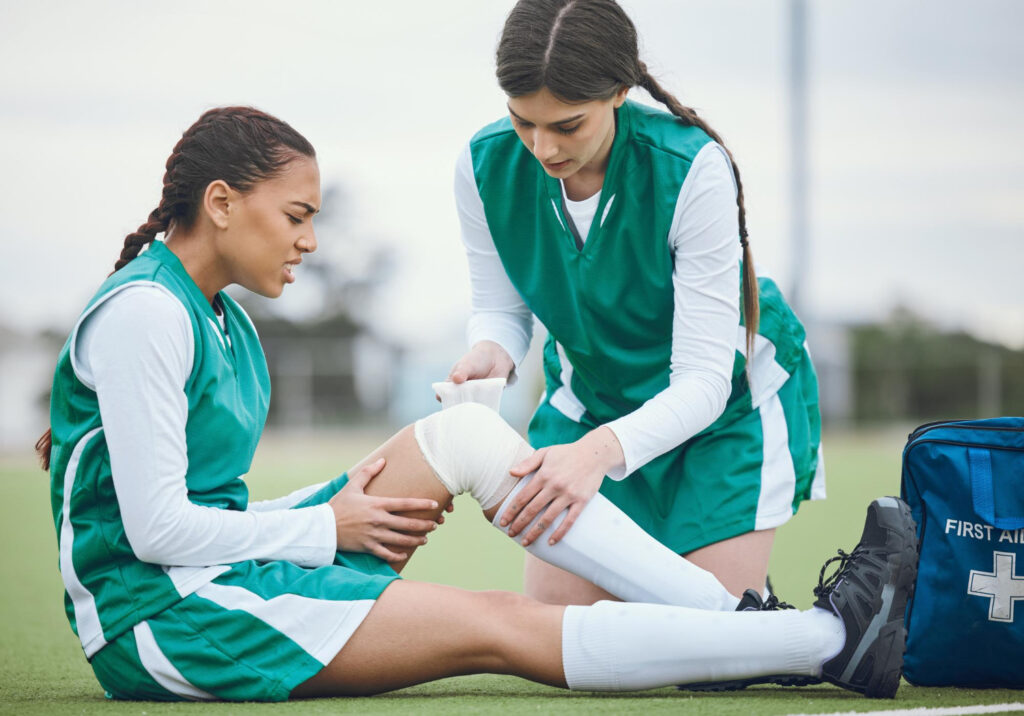
Everything You Need to Know About ACL Injuries Facebook Twitter Youtube Instagram Not just athletes, but anyone can suffer from Anterior Cruciate Ligament (ACL) injuries. So, what exactly happens when this ligament gets injured? How does it tear, and how can you tell if that’s what you’re dealing with? We’ll break down how ACL injuries happen, what symptoms to watch for, and answer some of the most common questions we hear. What is an ACL injury? An ACL injury results from an ACL tear in your knee. It is one of your knee ligaments and connects your thigh bone (femur) to your shin bone (tibia). An ACL forms an “X” shape inside your knee with your posterior cruciate ligament (PCL). While an ACL is closer to the front of the knee, a PCL is closer to the back of it. Imagine ACL is like a strap that connects your bones and prevents your knee from bending or rotating too much. An ACL injury happens because of sudden high intensity force to the knee that bends or twists it farther than its natural limit. Types of ACL Knee Injuries Grade 1: The injury stretched your ACL enough to damage it, but it’s still in one piece and holding your knee bones together. Grade 2: The injury stretched your ACL so much that it was partially torn and loosened. Grade 3: A complete tear of your ACL is in two pieces. What are ACL Injury Symptoms? Common signs of an ACL injury include: A popping sound or sensation in the knee Swelling shortly after the injury Pain, especially when putting weight on the knee Feeling of instability or the knee “giving out” Reduced range of motion in the knee What Causes ACL Tears? ACL tears occur when excessive force or unnatural movement strains the knee beyond its limits. This often happens when the knee twists or shifts too suddenly. Typical causes of ACL Injury include: Sports injuries Car accidents Slips and falls Who is at Risk for ACL tears? ACL injuries can affect anyone, but they’re most common among athletes, especially those in sports with quick stops, twists, and direction changes, such as: Soccer Football Basketball Gymnastics Lacrosse What to Expect During Your Doctor’s Visit for an ACL Injury Your first appointment typically starts with a detailed conversation. Your doctor will ask about your symptoms, how the injury happened, and your medical history to get the full picture. Then comes a hands-on exam, where your doctor will carefully check your injured knee, comparing it to the other side. Most ligament injuries, including ACL tears, can be identified just through this thorough physical examination. Imaging That Might Be Used To confirm what’s going on or rule out other issues, your doctor might suggest: X-rays – While they can’t show ligament damage, X-rays help spot any related bone injuries. MRI scans – These give a clearer look at soft tissues, including your ACL, meniscus, and cartilage. MRIs aren’t always necessary to diagnose a tear, but they can be useful to see if anything else in the knee is affected. What are the Treatment Options for an ACL tear? Treatment depends on your lifestyle, activity level, and overall health. Active individuals and athletes, especially those in agility-based sports, often need surgical reconstruction to restore stability and safely return to competition. Less active or older adults may recover with non-surgical treatment, such as physical therapy and lifestyle adjustments, especially if their daily activities don’t require intense knee movement. There are two main approaches to ACL Injury Treatment: repair and reconstruction. ACL Repair This is a less common option and only suitable for very specific cases, typically when the ligament has cleanly torn off from the bone. It’s mostly used in acute injuries and select patients. ACL Reconstruction This is the gold standard for most people. It involves replacing the torn ligament with a graft, which could be: Autograft – using your own tendon (usually patellar, hamstring, or quadriceps tendon) Allograft – using donor tissue (more common in older or less active patients) Who Should Think About ACL Reconstruction Surgery? If you’re an active adult, playing sports that involve quick moves, twists, or heavy lifting at work, ACL surgery might be a smart option. Even older adults can benefit from surgery if they stay physically active. For kids and teens, surgery needs extra care. Their bones are still growing, so doctors weigh the risk of growth problems. But research shows that delaying treatment can lead to more damage inside the knee, like tears in the meniscus or cartilage. If your knee feels unstable and keeps giving way, you may be at risk of injuring other parts of your knee, making surgery a stronger recommendation. Sometimes, ACL injuries happen alongside other knee damage, like: Meniscus tears Cartilage damage Ligament sprains (like MCL) This combo, especially common in sports like football and skiing, is called the “unhappy triad.” In these cases, surgery often helps everything heal better, especially if meniscus repair is done at the same time. Rehabilitation After ACL Surgery Physical therapy plays a critical role in recovering from ACL surgery, often starting right after the procedure. The key to a strong recovery lies in your commitment to rehab. Thanks to modern surgical methods and secure graft fixation, recovery is now faster and more focused than it used to be. The First Few Days Post-Surgery During the first 7 to 10 days, your priority is to: Keep the surgical site clean and dry Begin gentle exercises to straighten the knee and activate the quadriceps Icing your knee regularly helps ease pain and swelling. Your surgeon might recommend a brace or a passive motion machine to help you bend and extend your knee, though studies show the machine isn’t essential for a good outcome. Whether you use crutches and how much weight you put on your leg will depend on your surgeon’s advice and whether other injuries were treated during surgery. What Rehab For ACL Injury Aims to