

Bone Health After 40: How to Keep Your Bones Strong and Prevent Fractures
Bones slowly change as we grow older. They may not feel weak at first, but strength can reduce little by little with age. After the age of 40, this change becomes more noticeable, and bones may not stay as strong as before.
Because of this, some people start facing joint pain, body stiffness, or fractures even after small slips. Many do not notice these changes early and seek help only after an injury. The good news is that bone weakness can be controlled and prevented when we take proper care and stay aware.
This blog helps you understand why bone care is important after 40 and explains easy steps you can follow to keep your bones healthy.
Why Bone Health Becomes Important After 40

Bones are strongest during young adulthood. As age increases, the body slowly loses bone strength. This happens due to natural aging, hormonal changes, and daily habits.
In women, bone loss can increase after menopause. In men, reduced physical activity and poor nutrition can also affect bone strength. If this bone loss is ignored, it may lead to pain, fractures, and difficulty in daily activities.
Weak bones increase the risk of:
- Fractures from minor falls
- Chronic back and joint pain
- Reduced mobility and independence
- Delayed recovery after injuries
Common Causes of Weak Bones
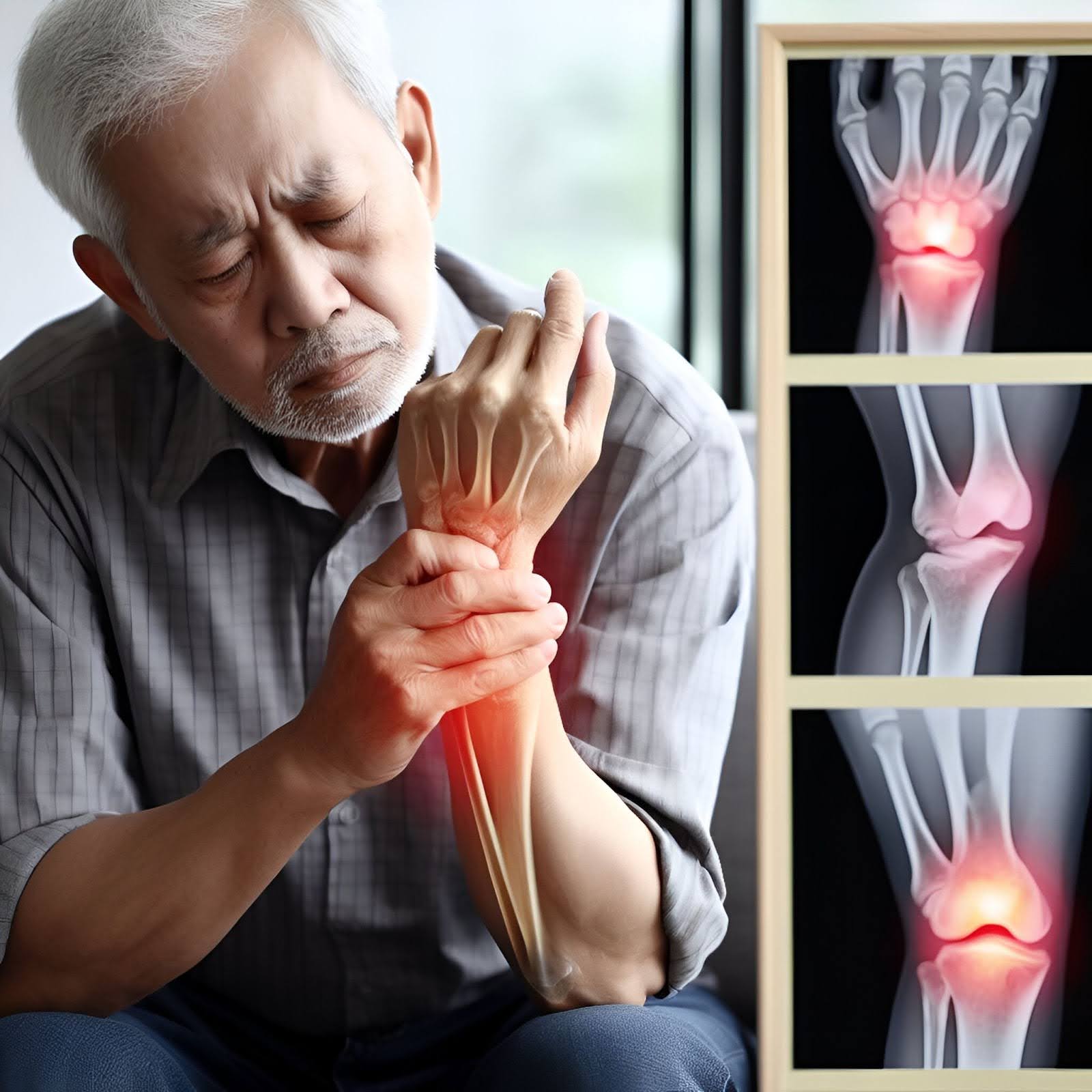
Several factors contribute to bone weakness after 40:
- Low calcium and vitamin D levels
- Sedentary lifestyle
- Poor posture and lack of exercise
- Smoking and excessive alcohol consumption
- Hormonal changes
- Family history of osteoporosis
Knowing these reasons early helps people take care of their bones in time.
Bone Weakness Starts Early: Signs You Should Never Ignore

Bone loss often happens silently. However, some warning signs include:
- Frequent body aches or joint pain
- Back pain or reduced height
- Fractures from minor injuries
- Weak grip strength
- Difficulty in daily movements
If you notice these signs, it is better to consult a doctor without delay.
How to Prevent Weak Bones After 40
1. Focus on Bone-Healthy Nutrition

Eating the right kind of food helps keep bones strong and healthy.
- Include calcium-rich foods like milk, curd, paneer, ragi, and green leafy vegetables
- Vitamin D is important for bones and can be obtained from sunlight or medicines suggested by a doctor
- Protein-rich foods help support both bones and muscles
2. Stay Physically Active

Regular exercise helps strengthen bones and joints.
- Walking, stair climbing, and light jogging
- Weight-bearing and resistance exercises
- Yoga and stretching for flexibility and balance
Doing some physical activity every day, even for a short time, is helpful for bone health.
3. Maintain Good Posture

Wrong sitting and standing positions can put extra stress on the back and joints.
- Sit and stand with proper back support
- Avoid long hours of slouching
- Use ergonomic chairs if working long hours
Maintaining good posture helps protect the spine and reduce back pain.
4. Avoid Habits That Harm Bone Health
Certain habits can speed up bone loss:
- Smoking
- Excess alcohol intake
- Very low-calorie or crash diets
Reducing these habits helps protect bone strength in the long run.
Importance of Bone Density Testing

Bone density tests help assess bone strength and fracture risk. Doctors may recommend these tests for:
- Individuals above 40 with joint or back pain
- Women after menopause
- Patients with frequent fractures
- People with a family history of osteoporosis
Finding bone problems early helps start treatment on time and avoid future issues.
Role of Orthopedic Care in Bone Health

Orthopedic doctors help identify bone problems and guide patients with proper treatment. At MJ Naidu Hospital, orthopedic care focuses on:
- Early diagnosis of bone weakness
- Non-surgical treatment options
- Physiotherapy and lifestyle guidance
- Long-term bone and joint care
When Should You Consult an Orthopedic Doctor?
You may need to visit a bone or joint doctor if you notice:
- Persistent joint, knee, or back pain
- Fractures from minor slips or falls
- Difficulty walking, standing, or climbing stairs
- Sudden reduction in height or posture changes
Meeting a doctor at the right time can help avoid serious problems and keep bones healthier.
Simple Steps to Keep Your Bones Strong
After the age of 40, bone care needs regular attention and proper medical advice. Small changes in daily habits, staying active, and timely check-ups can lower the chances of weak bones and fractures. With the right bone care and basic awareness, keeping bones strong is achievable at any age.