

How Does Excess Weight Affect Your Bones and Joints?
Obesity is often associated with conditions such as diabetes, high blood pressure, and heart disease. However, many people are unaware that excess body weight can also have a significant impact on the health of their bones and joints.
The connection between obesity and bone health is important because carrying extra weight places continuous stress on the body’s weight-bearing joints. Over time, this added pressure can lead to pain, stiffness, reduced mobility, and long-term orthopedic conditions such as osteoarthritis.
Understanding how obesity affects your bones and joints can help you take preventive steps to maintain mobility and improve your overall quality of life.
How Does Obesity Affect Bone and Joint Health?
The relationship between obesity and bone health goes beyond carrying extra weight. Excess body fat increases the mechanical load on joints while also contributing to chronic inflammation in the body. Together, these factors can gradually damage cartilage, reduce joint flexibility, and increase the risk of bone and joint disorders.
Orthopedic Fact
Every extra pound of body weight increases the pressure on your knees, especially while walking, climbing stairs, or running.Maintaining a healthy weight can reduce stress on your joints, improve mobility, and lower the risk of long-term joint damage.
Which Bones and Joints Are Most Affected?
1. Knees
The knees support most of your body weight during everyday activities. Excess weight places additional pressure on the knee joints, causing cartilage to wear down more quickly.
Common problems include:
- Persistent knee pain
- Swelling around the joint
- Morning stiffness
- Difficulty climbing stairs
- Reduced mobility
2. Hips
The hip joints are responsible for balance and movement. Increased body weight places extra stress on these joints, leading to pain, stiffness, and reduced flexibility over time.
3. Lower Back
Excess weight, especially around the abdomen, changes the body’s center of gravity. This increases strain on the muscles and joints of the lower back, often resulting in chronic back pain.
4. Feet and Ankles
Your feet and ankles absorb your body weight with every step. Excess body weight increases pressure on these joints, making walking and standing more difficult while increasing the risk of heel pain and ankle discomfort.
Can Obesity Increase the Risk of Osteoarthritis?
Yes. One of the strongest links between obesity and bone health is the increased risk of osteoarthritis.
Osteoarthritis develops when the protective cartilage inside the joints gradually wears away. As the cartilage becomes thinner, friction within the joint increases, leading to pain, stiffness, swelling, and reduced movement.
Common Symptoms
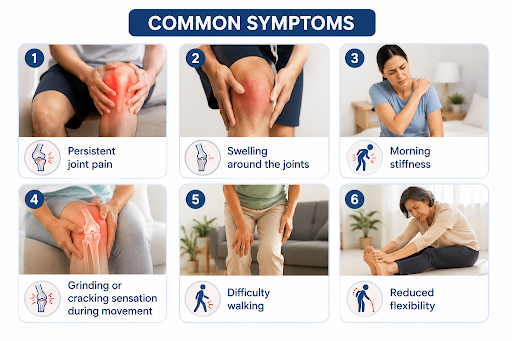
- Persistent joint pain
- Swelling around the joints
- Morning stiffness
- Grinding or cracking sensation during movement
- Difficulty walking
- Reduced flexibility
Warning Signs You Should Not Ignore
Consult an orthopedic specialist if you experience:
- Persistent knee, hip, or back pain
- Pain while climbing stairs
- Frequent joint swelling
- Morning stiffness lasting more than 30 minutes
- Difficulty walking
- Lower back pain
- Reduced joint movement
- Pain affecting daily activities
Early diagnosis can help prevent further joint damage.
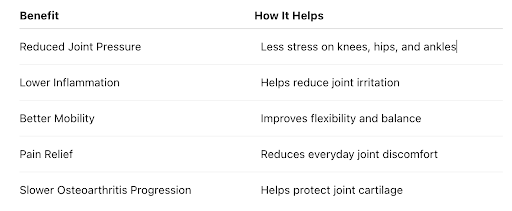
Benefits of Weight Loss for Bone and Joint Health
Even a small reduction in body weight can make a noticeable difference to your joints.
Nutrition for Strong Bones and Healthy Joints
A balanced diet plays an important role in improving obesity and bone health.
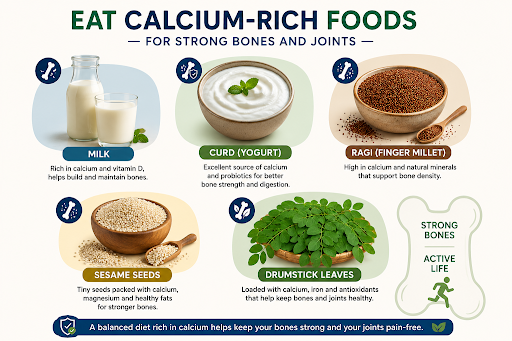
Include foods such as:
- Milk
- Curd (Yogurt)
- Ragi (Finger Millet)
- Sesame Seeds
- Drumstick Leaves
These foods help maintain strong bones.
Include High-Quality Protein
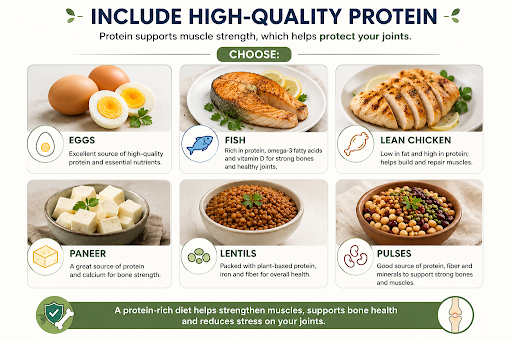
Protein supports muscle strength, which helps protect your joints.
Choose:
- Eggs
- Fish
- Lean chicken
- Paneer
- Lentils
- Pulses
Add Anti-Inflammatory Foods
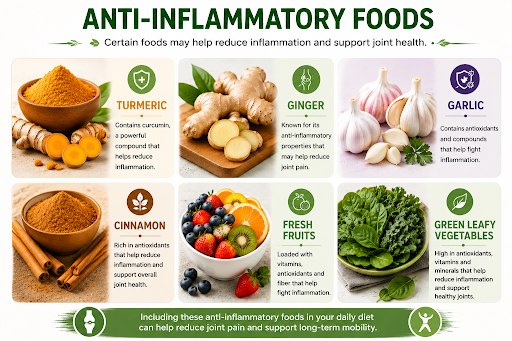
Certain foods may help reduce inflammation and support joint health.
Include:
- Turmeric
- Ginger
- Garlic
- Cinnamon
- Fresh fruits
- Green leafy vegetables
Hydration Tip
Drink plenty of water every day. Staying hydrated helps maintain healthy joints and supports smooth movement.
Foods to Limit
To improve obesity and bone health, reduce the intake of:
- Fried foods
- Fast foods
- Sugary beverages
- Processed snacks
- Sweets
- Excess alcohol
Healthy Lifestyle Tips for Better Bone Health
Protect your bones and joints by following these simple habits:
- Maintain a healthy body weight.
- Exercise regularly with low-impact activities like walking, swimming, or cycling.
- Strengthen the muscles around your knees, hips, and core.
- Follow a balanced diet.
- Drink enough water every day.
- Avoid prolonged sitting.
- Wear supportive footwear.
- Check your Vitamin D and calcium levels if recommended by your doctor.
When Should You Consult an Orthopedic Specialist?
You should seek medical advice if you notice:
- Persistent joint pain
- Difficulty climbing stairs
- Swollen joints
- Reduced mobility
- Lower back pain
- Knee pain that does not improve with rest
Early treatment can help prevent permanent joint damage and improve long-term mobility.
Expert Orthopedic Care at MJ Naidu Hospital
At MJ Naidu Hospital, our orthopedic specialists provide comprehensive care for patients experiencing weight-related joint problems. We offer advanced diagnostic services, personalized treatment plans, physiotherapy, nutritional guidance, and minimally invasive orthopedic procedures when needed.
Whether you are dealing with knee pain, osteoarthritis, or reduced mobility, our experienced team is committed to helping you regain an active and pain-free life.
Final Thoughts
The connection between obesity and bone health is often overlooked, yet it plays a crucial role in maintaining mobility and overall well-being. Excess body weight increases stress on the bones and joints, making conditions such as knee pain, lower back pain, and osteoarthritis more likely.
The good news is that maintaining a healthy weight through balanced nutrition, regular exercise, and healthy lifestyle habits can significantly reduce joint stress and improve bone health.
If you are experiencing persistent joint pain or mobility issues, consult the orthopedic specialists at MJ Naidu Hospital. Early diagnosis and timely treatment can help you protect your joints and enjoy a healthier, more active lifestyle.
Table of Contents
- What is Knee Osteoarthritis?
- What is PRP for Knee Osteoarthritis?
- How PRP Helps in Knee Cartilage Damage
- Benefits of PRP for Knee Osteoarthritis
- PRP Procedure: Step-by-Step
- Recovery After PRP Injection
- Who is Eligible for PRP Injection?
- PRP Injection vs Conventional Treatments
- Is PRP Injection Safe?